

SPEAKERS
This year’s conference once again brings together leading experts, practitioners, and thought leaders from the field of Neurofeedback who will share their knowledge, insights, and real-world experience. Our speakers come from diverse backgrounds and perspectives, creating a rich program that combines science, practice, and innovation.
-
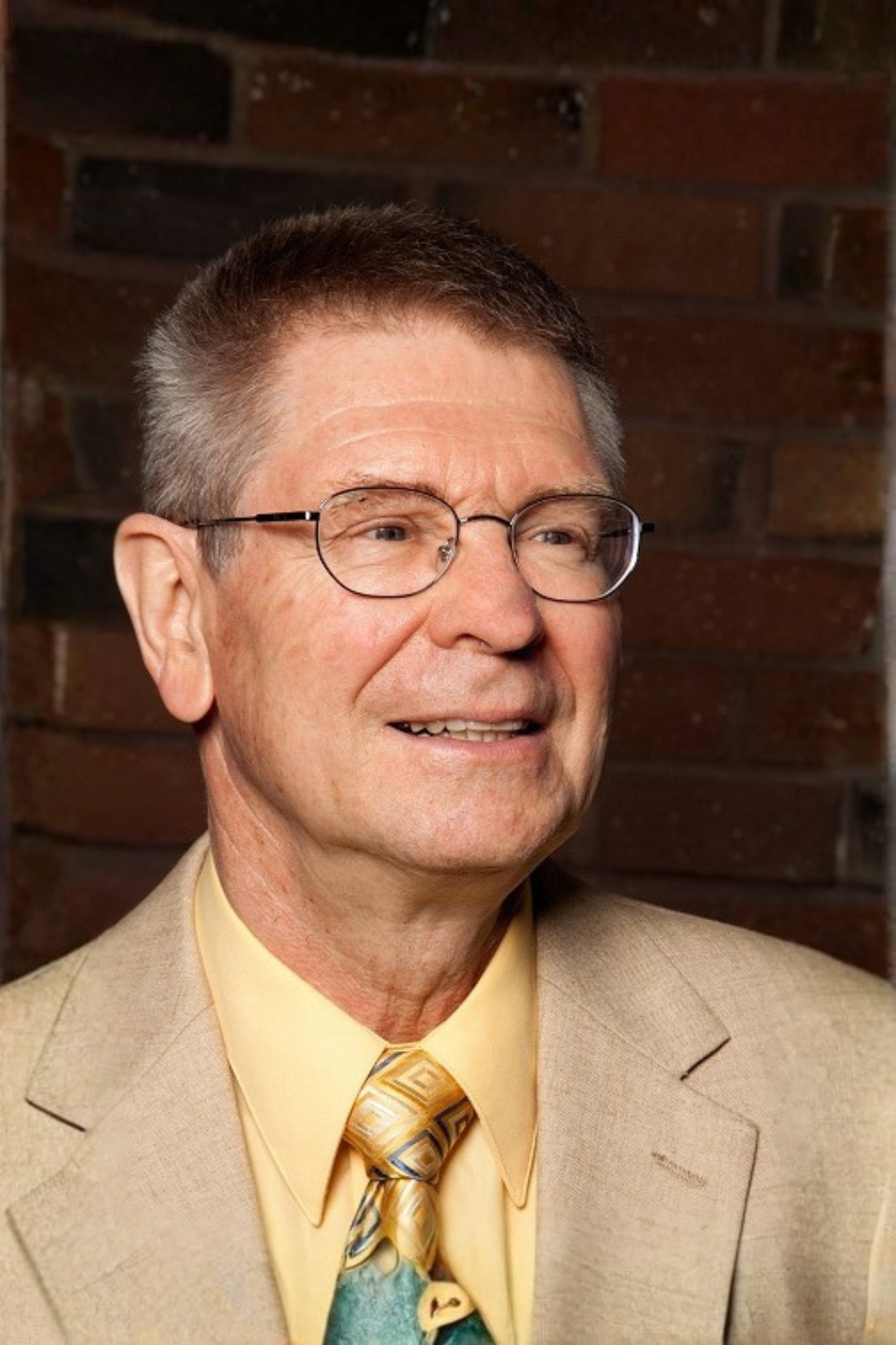
Dr. Siegfried Othmer has been a pioneer in the development of research-grade EEG feedback instrumentation since the mid-1980s and has been actively involved in clinical neurofeedback research since 1987. He is currently Chief Scientist at the EEG Institute in Woodland Hills, California.
From 1987 to 2000, he served as President of EEG Spectrum, and until 2002 as Chief Scientist of EEG Spectrum International. Dr. Othmer is widely recognized for his role in advancing clinical EEG biofeedback and for providing professional training to clinicians worldwide. He regularly presents research findings at professional and scientific forums.
He served as President of the Neurofeedback Division of the Association for Applied Psychophysiology and Biofeedback (AAPB) from 2011 to 2013 and is currently a Board Member of the Western Association of Biofeedback and Neuroscience.
-
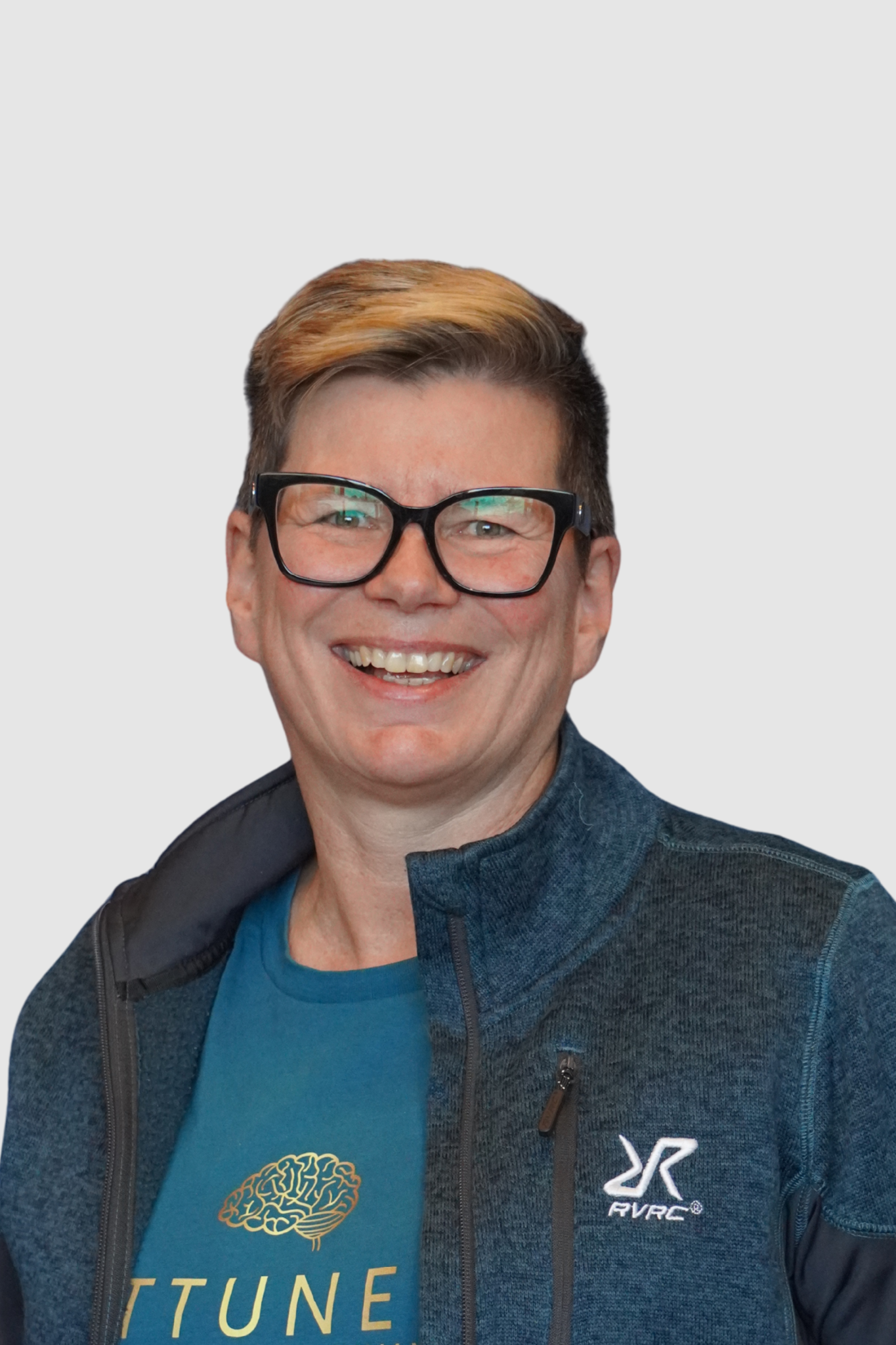
Dr. Meike Wiedemann is a neurobiologist and Naturopath. At the University of Hohenheim, she gained experience in research and teaching in an electrophysiological laboratory in the field of neurophysiology for more than 15 years. In projects with different European space agencies (ESA, DLR, CNES) she has studied the brain under different gravitational conditions. She made her first point of contact with neurofeedback in 1995 as part of her university work. Fascinated by the effects, she completed a training as a alternative practitioner to be able to work with neurofeedback.
Since 2002 Meike Wiedemann enthusiastically runs one of the first neurofeedback practices in Stuttgart, Germany. She is the author and co-author of several articles and books on neurofeedback.
-
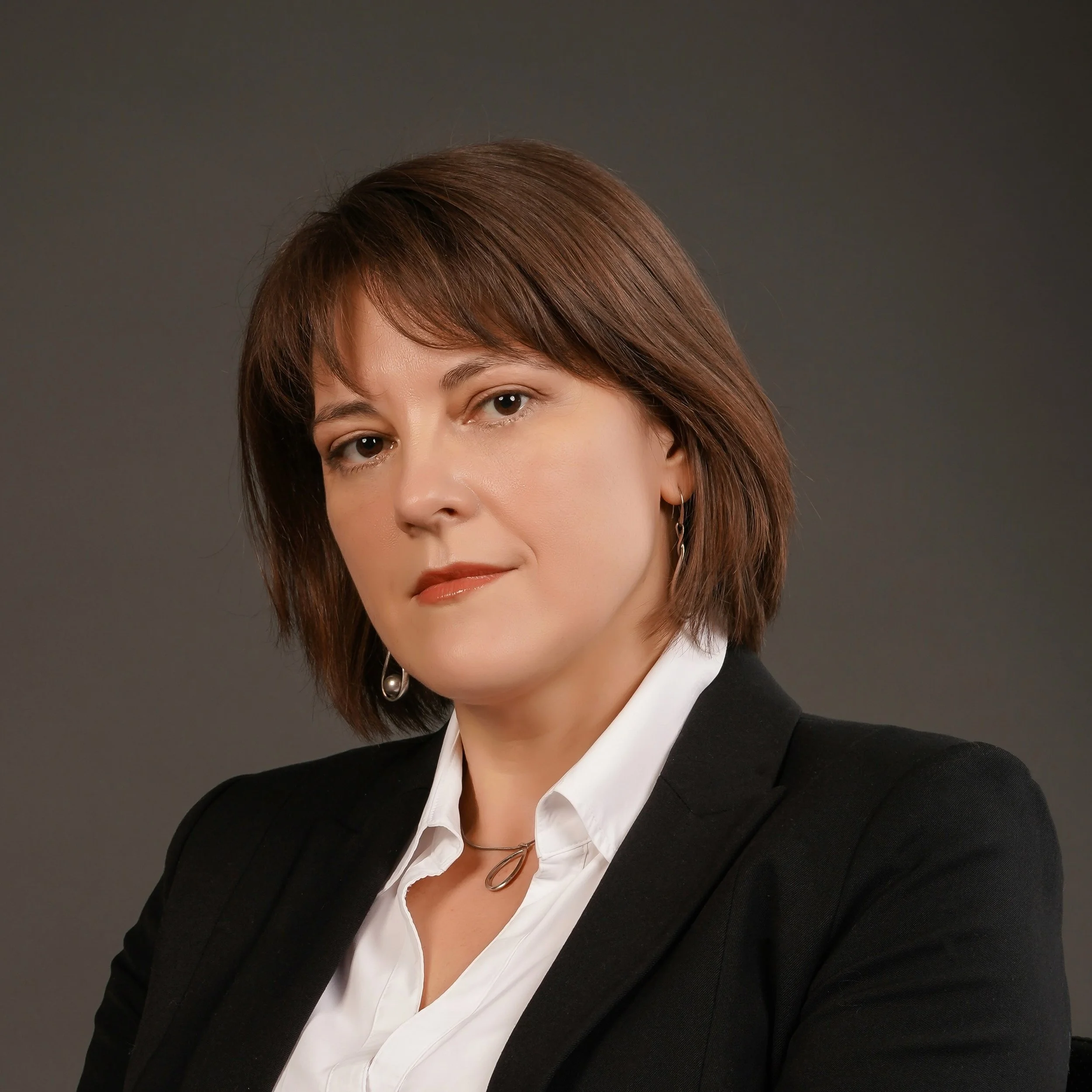
Olga Kara, PhD, is a neurobiologist and psychologist specializing in human psychophysiology, neurofeedback, biofeedback, and neuromodulation. She holds a PhD in neurobiology, a Master’s degree in Psychology, and an MBA in bio business and neurotechnology.
With more than 28 years of experience in neuroscience, her work spans research and applied clinical practice, including brain signal analysis, QEEG/ERP, and neuromodulation methods such as tDCS and tACS.
She is the head of Brain Fitness BFC (O-Brain Research and Consulting, Finland), provides clinical consulting in adaptation medicine, and is a researcher at the Institute of the Human Brain. Olga Kara is also a member of the International Neuropsychoanalytic Society.
-
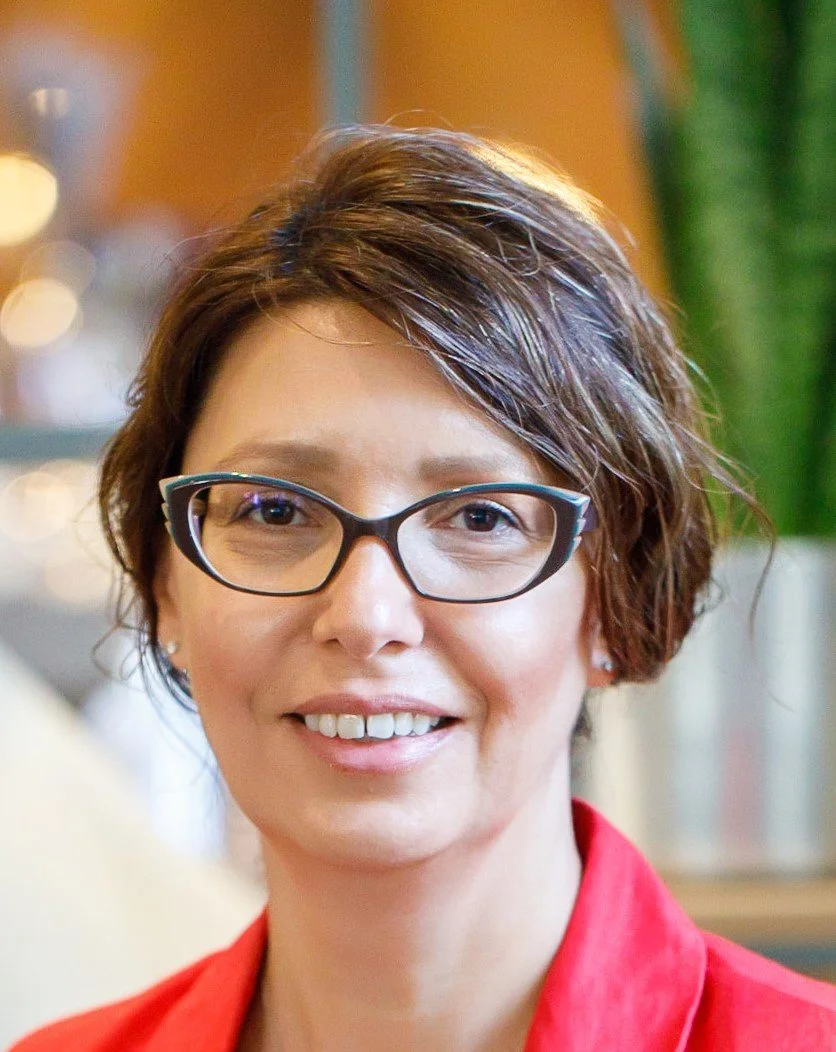
Roxana Sasu, MD, received her medical degree in Romania in 1999 and joined the clinical staff of the EEG Institute (California) in 2008, where she worked closely with Sue Othmer and earned her OMC certification.
She combines clinical practice using the Othmer Neurofeedback approach with teaching professional training courses in the US and Europe, and mentoring clinicians seeking to advance their practical skills. She is also involved in ongoing research and data collection aimed at improving the efficacy of neurofeedback.
Roxana Sasu serves as Director of Clinical Supervision and is a member of the Advisory Board of the Neurofeedback Institute in Romania. She is a contributing author to Restoring the Brain: Neurofeedback as an Integrative Approach to Health, with chapters focusing on neurofeedback applications in ADD/ADHD and behavioral, developmental, and emotional dysregulation in children and adolescents.
-
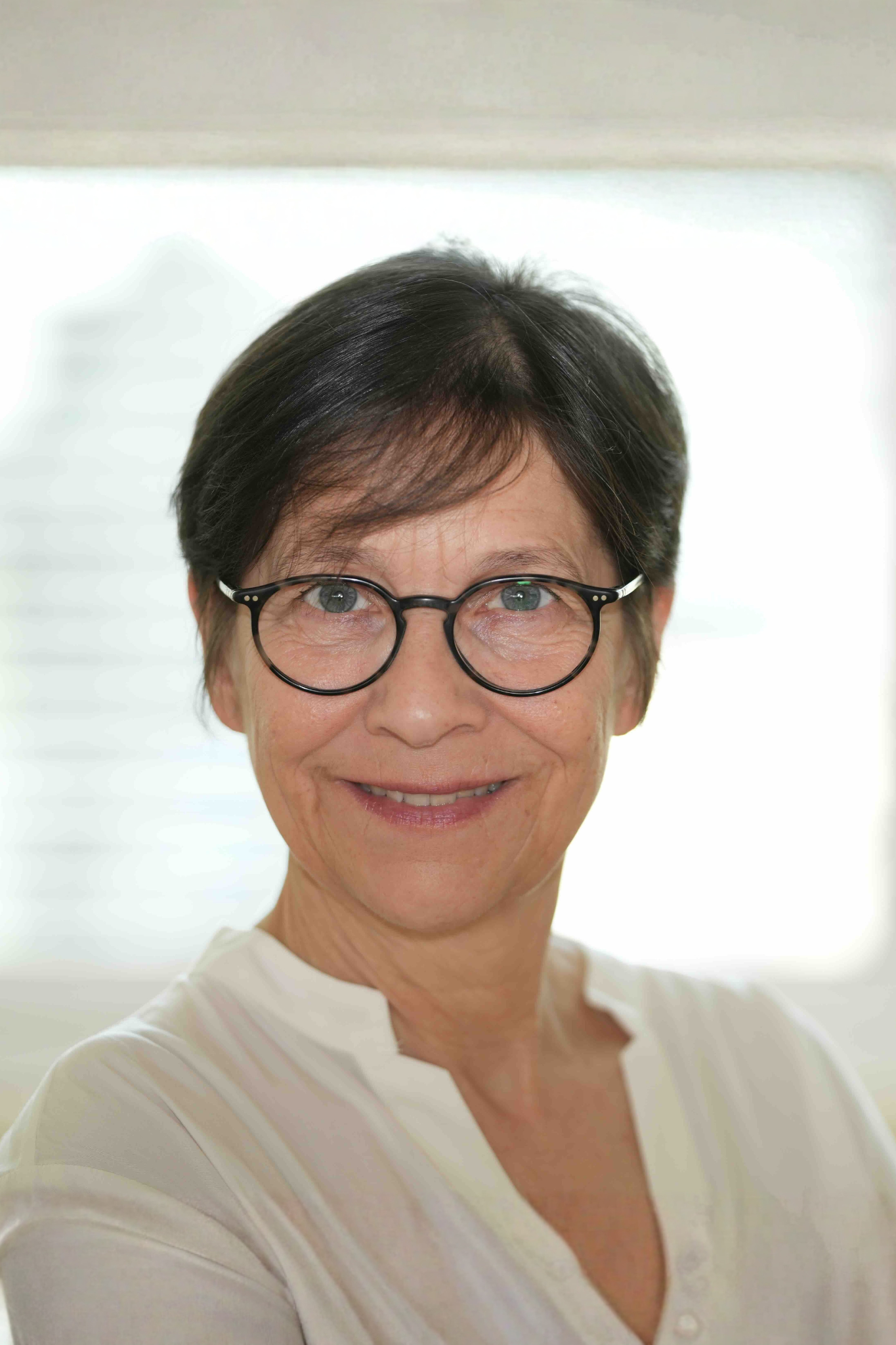
Ute Bolduan is an occupational therapist and systemic organizational consultant. She directs a clinical practice in Kassel, Germany, specializing in neurofeedback and Bowtech therapy for children and adults with developmental, neurological, psychiatric, and pain disorders.
Working with ILF Neurofeedback since 2015, she combines her background in engineering with therapeutic expertise.
-
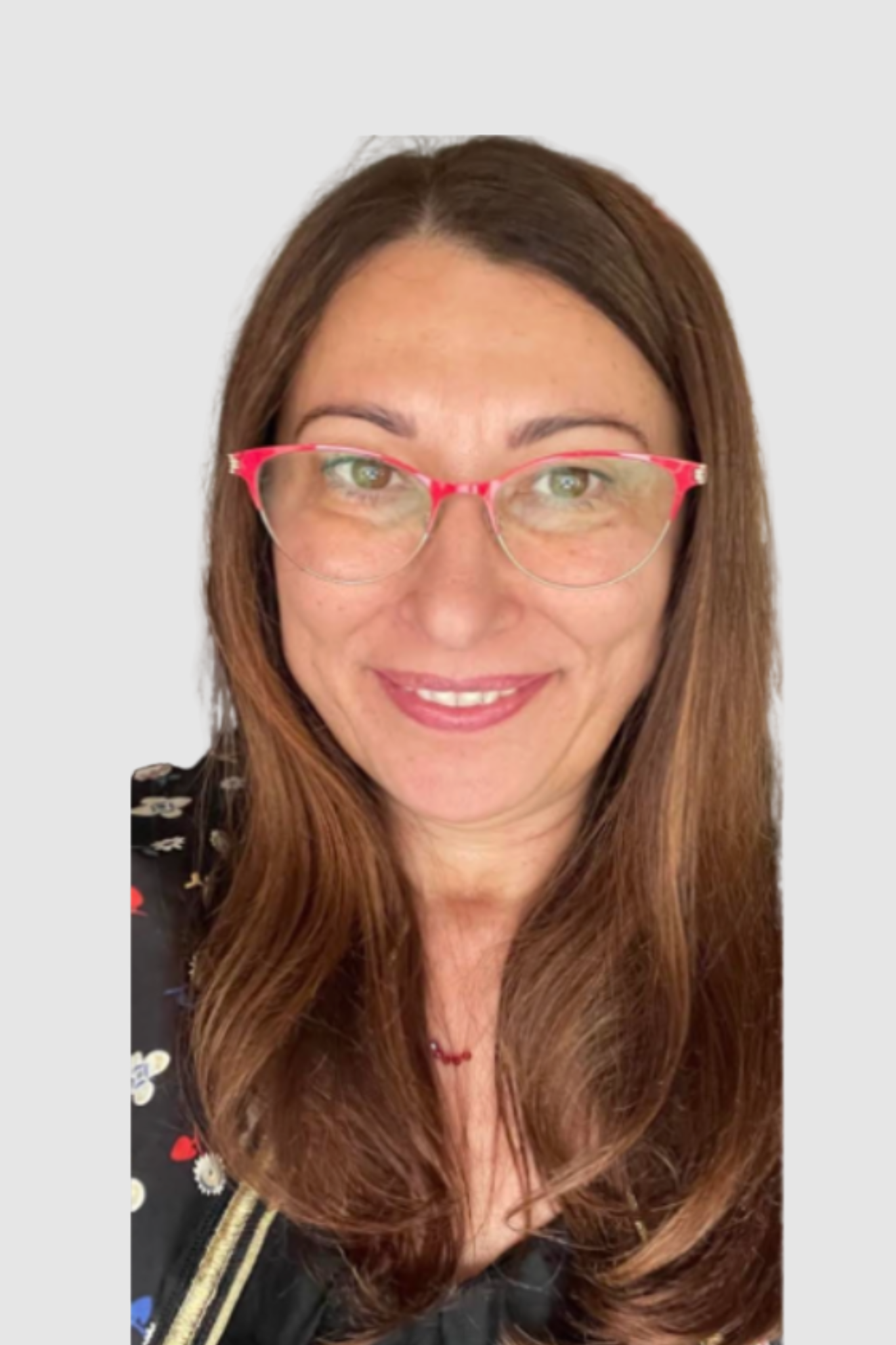
Adelina Coresi, PsyD, BCIA-BCN is a clinical psychologist specializing in neurofeedback, biofeedback, and neuromodulation. She holds a doctoral degree in cognitive & behavioral science, 2 master’s degree in interdisciplinary (music, medicine & clinical psychology), and an engineering degree in computer science.
With more than 20 years of experience in neuroscience and cognitive & behavioral science her work spans in applied clinical practice, including brain signal analysis, QEEG/ERP, and neuromodulation methods such as tDCS, tACS and pEMF.
-
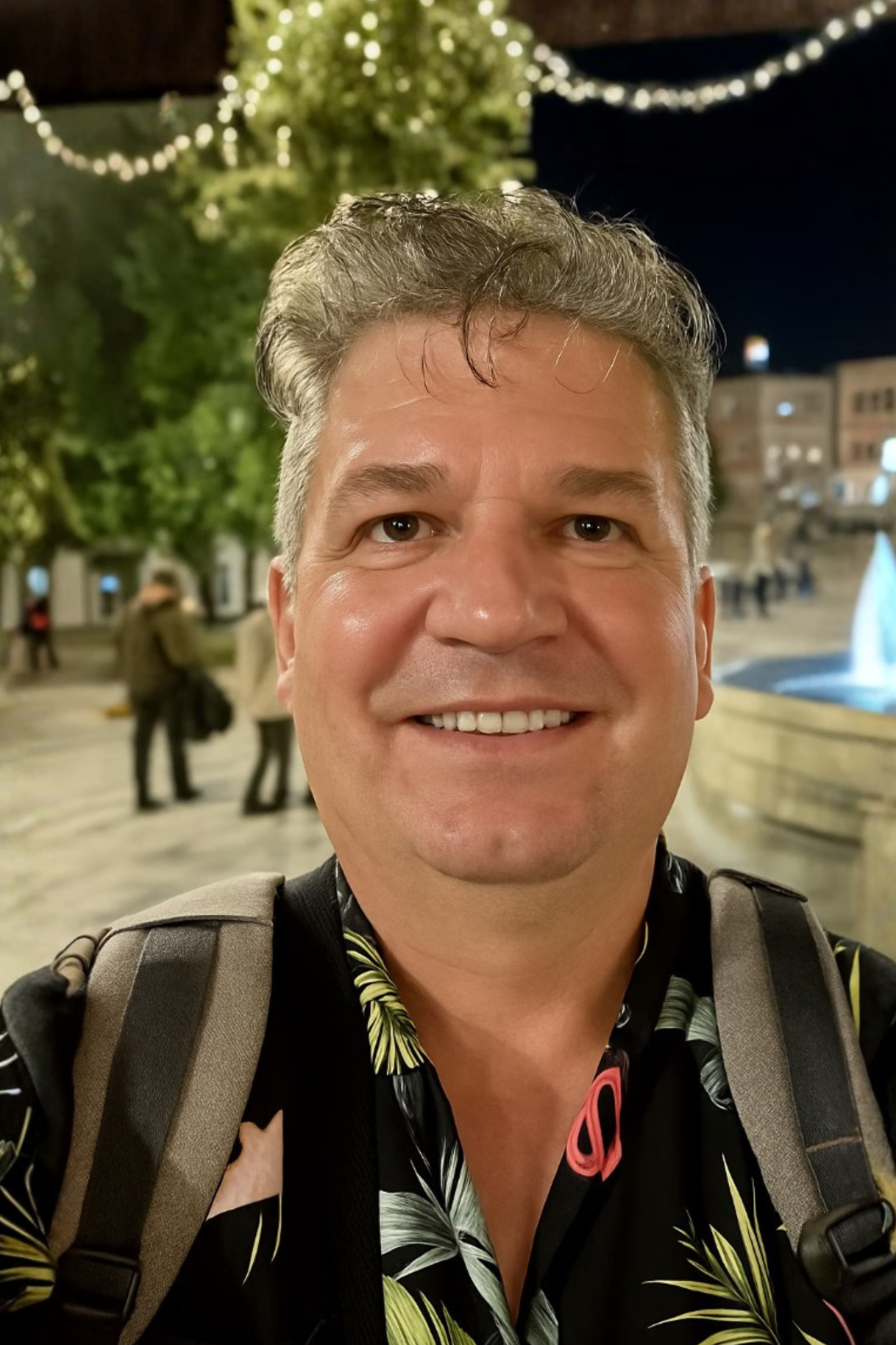
Aaron F. Gardner is a Licensed Clinical Mental Health Counselor and the owner of On Track Counseling LLC in Utah, USA. With over 30 years of experience as a professional psychotherapist, Aaron has dedicated his career to advancing clinical outcomes through innovative mental health interventions.
He is an expert in the Othmer Method of neurofeedback, having personally conducted more than 25,000 hours of clinical-based sessions.
Beyond his clinical practice, he provides specialized consulting and training services, supporting both beginning and advanced neurofeedback clinicians in refining their technical skills and clinical approach.
-
Anna Hallberg is a licensed psychologist and psychotherapist, DBR-C (consultant and DBR trainer in training) in private practice in Stockholm, Sweden. With more than 30 years of experience as a clinical psychologist and psychotherapist she has also worked with neuropsychological assessments, supervising psychotherapists, teamleadership coaching and supervising groups of healthcare staff at palliative care units for 20 years. Four years ago she was asked to work part time at a clinic for victims of sexual violence with the mission to implement neurofeedback and train clients with neurofeedback as adjunct to traumatherapy.
Since 2022 Anna uses the trauma-therapy model Deep Brain Reorienting, DBR, and finds combining this model with neurofeedback very helpful. Her focus is on neurofeedback for trauma; she also teaches and supervises specifically in this field. Anna began her neurofeedback journey in 2018, practicing the Othmer Method (ILF Neurofeedback). She later mastered the EEGer system, which she finds particularly effective for trauma therapy sessions.
-
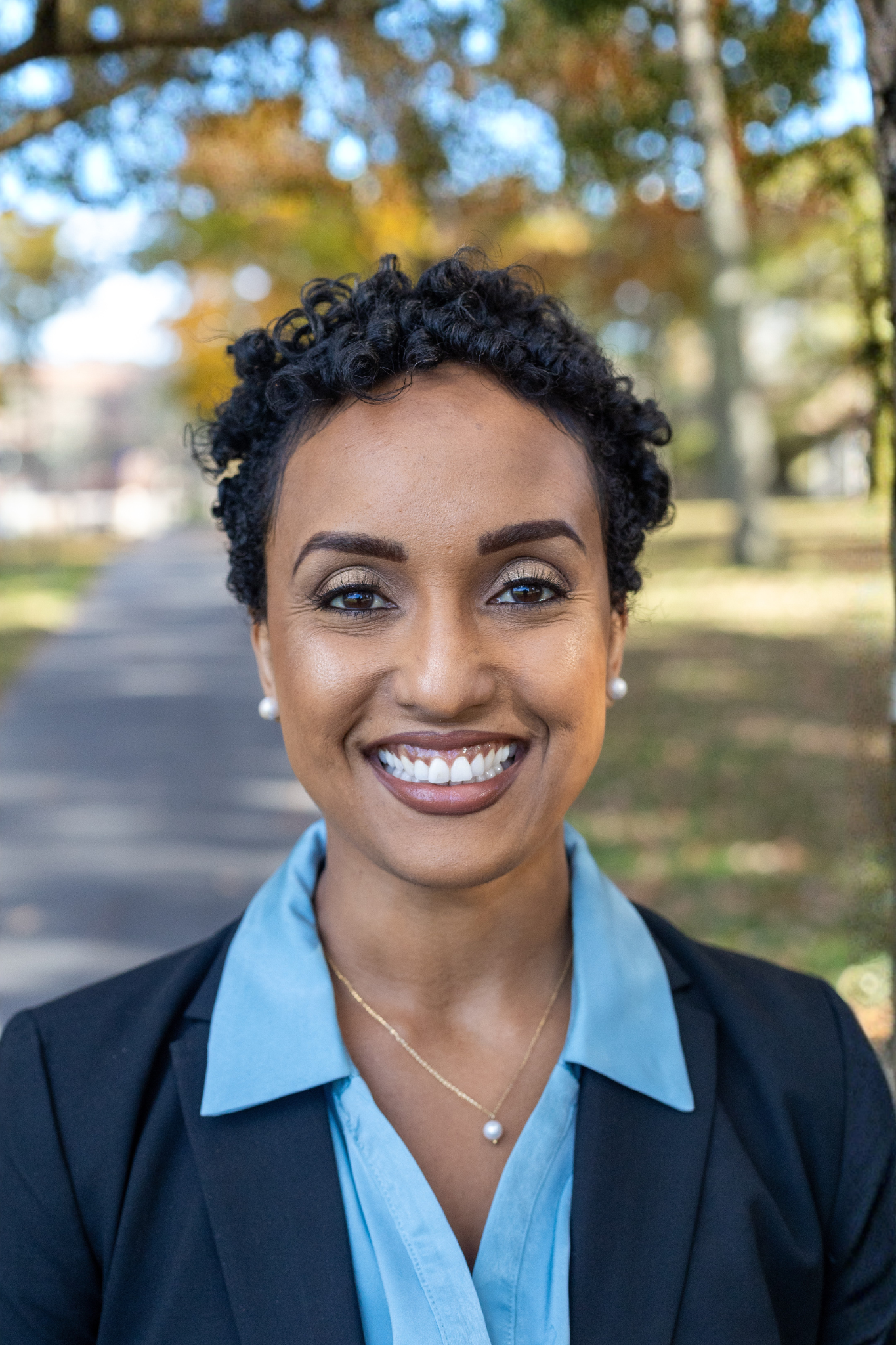
Djara Hampton is a Licensed Independent Clinical Social Worker (LICSW) with advanced training in trauma-informed therapy, Cognitive Behavioral Therapy (CBT), and neurofeedback. She currently serves as Director of Clinical Services at the Cape Verdean Association and is also the founder of a private practice specializing in neurofeedback and trauma-informed care.
With over 15 years of clinical experience, Djara integrates cognitive behavioral therapy, mindfulness, and neurofeedback to support individuals recovering from trauma, anxiety, and relational challenges. Her professional approach is deeply informed by her own healing journey following PTSD after divorce, during which neurofeedback played a central role in her recovery. This lived experience brings a grounded, compassionate perspective to her clinical work and leadership.
-
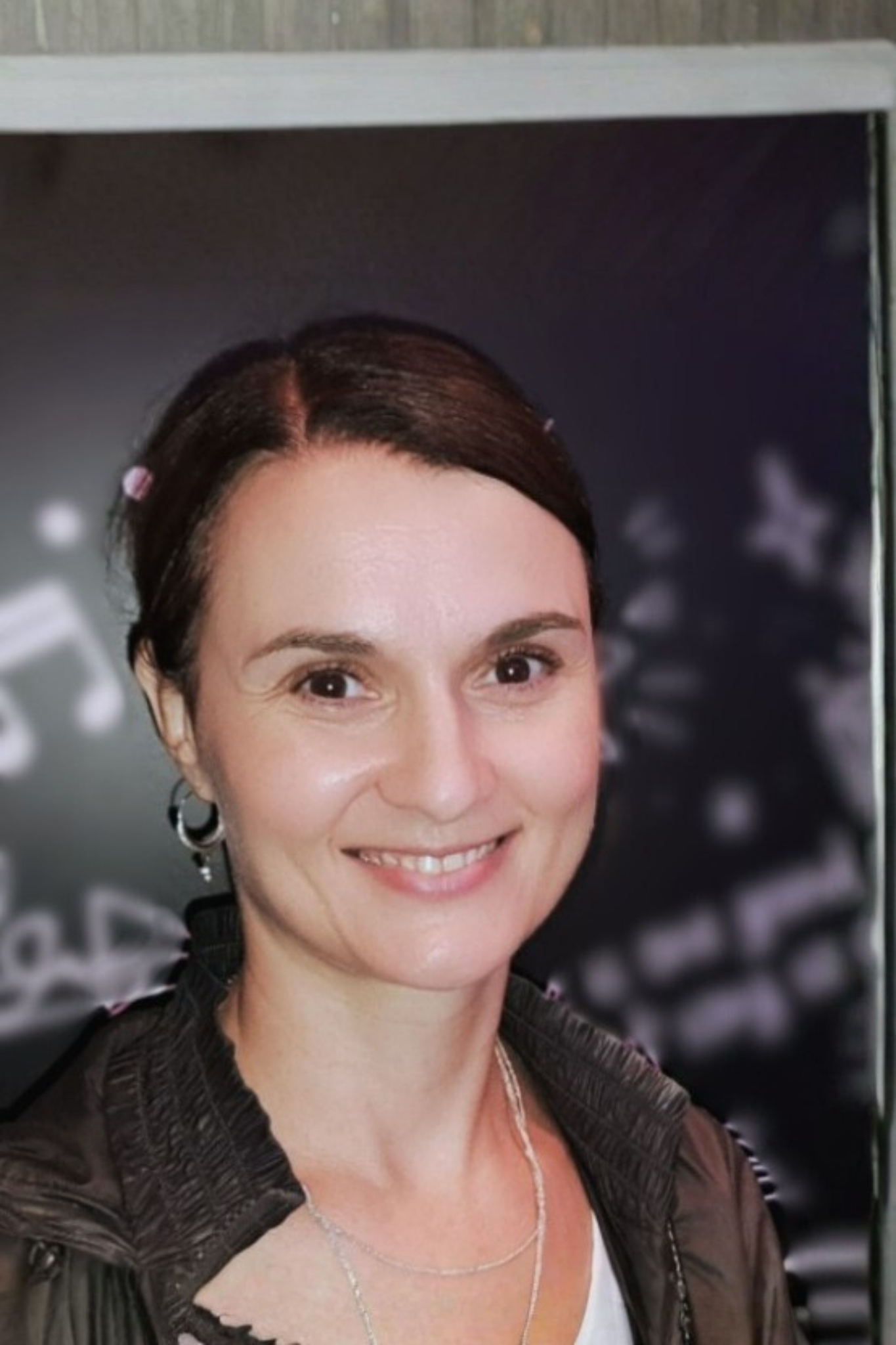
Bojana Knežević is a speech and language pathologist with over 20 years of clinical experience, working with both children and adults with a wide range of speech and language disorders. She is Head of the Department for Diagnostics and Rehabilitation at the Institution for the Rehabilitation of Hearing and Speech SUVAG Karlovac.
Her primary focus is early intervention, particularly in work with very young children. Since 2017, she has integrated neurofeedback into her daily clinical practice and is a strong advocate for its use as a supportive method in the treatment of speech and language disorders.
Bojana Knežević is the author of an article on the application of neurofeedback in speech and language therapy, contributing to the growing clinical evidence in this field.
-
Veronika Kreitmayr is a sports psychologist and psychotherapist working with a wide range of psychological disorders, as well as in the fields of peak performance and leadership coaching.
She studied Psychology at the University of Vienna and spent 12 years at the Red Bull Training and Diagnostic Center, where she gained extensive experience with neurofeedback approaches and QEEG analysis. Since 2016, she has run her own private practice in Salzburg, combining clinical psychology with performance-focused work.
Veronika Kreitmayr is also an experienced neurofeedback trainer, with a strong focus on translating neuroscientific insights into effective clinical and performance-oriented applications.
-
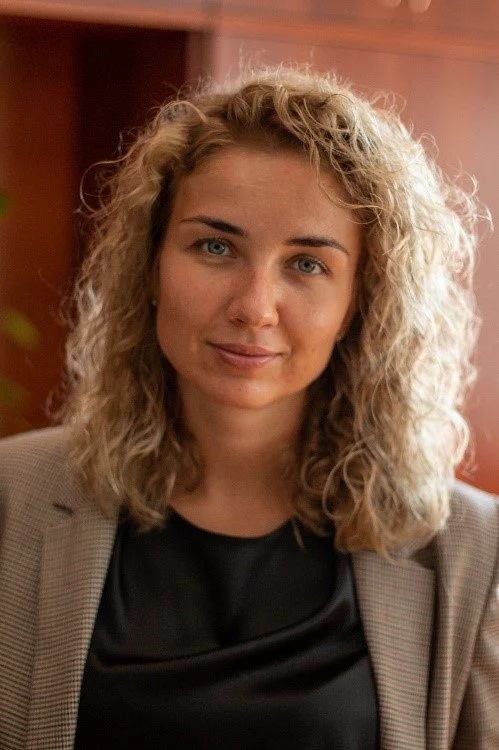
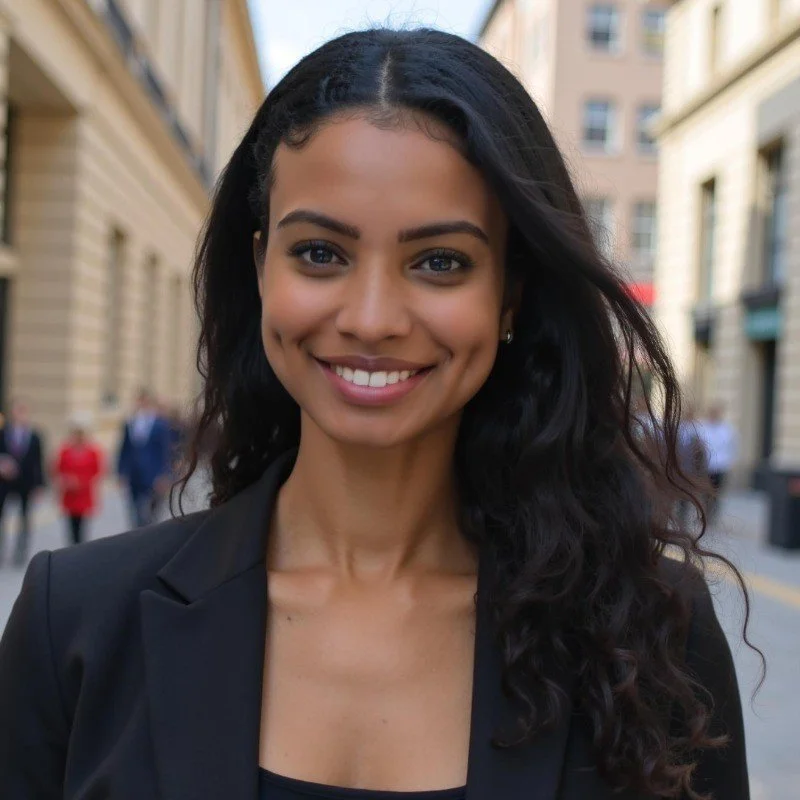
Oleksandra is a dedicated researcher and practitioner with more than 12 years of experience in education, mental health and psychosocial support (MHPSS), and child protection. She holds a master’s degree in psychology and is currently pursuing her PhD at Taras Shevchenko National University of Kyiv, where she also teaches as an associate professor.
She has authored more than 40 peer-reviewed scientific articles with a focus on trauma, emotion regulation, and psychosocial well-being, and has contributed to numerous national and international research projects.
-
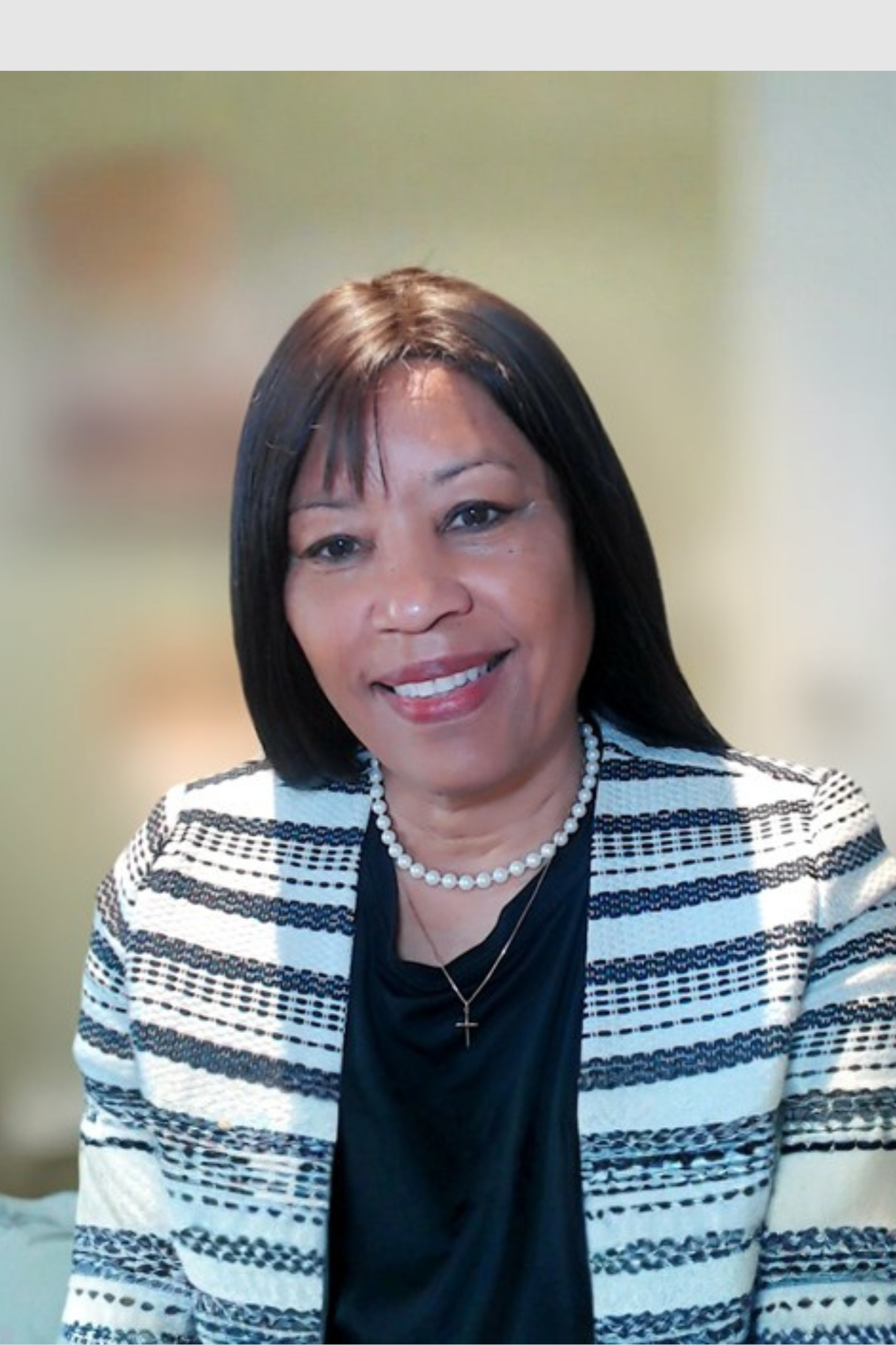
Kasia is a Neurofeedback practitioner, PhD candidate, and lecturer, with a clinical and academic focus on neurological and neurodevelopmental disorders. She regularly presents at national and international conferences, providing the neurology and psychiatric community with a rigorous theoretical foundation for Infra-Low Frequency (ILF) Neurofeedback, spanning from the early work of Aladjalova to contemporary neuroimaging research.
Her work bridges neuroscience theory and clinical practice, with particular emphasis on network-based brain regulation in complex neurological conditions.
-
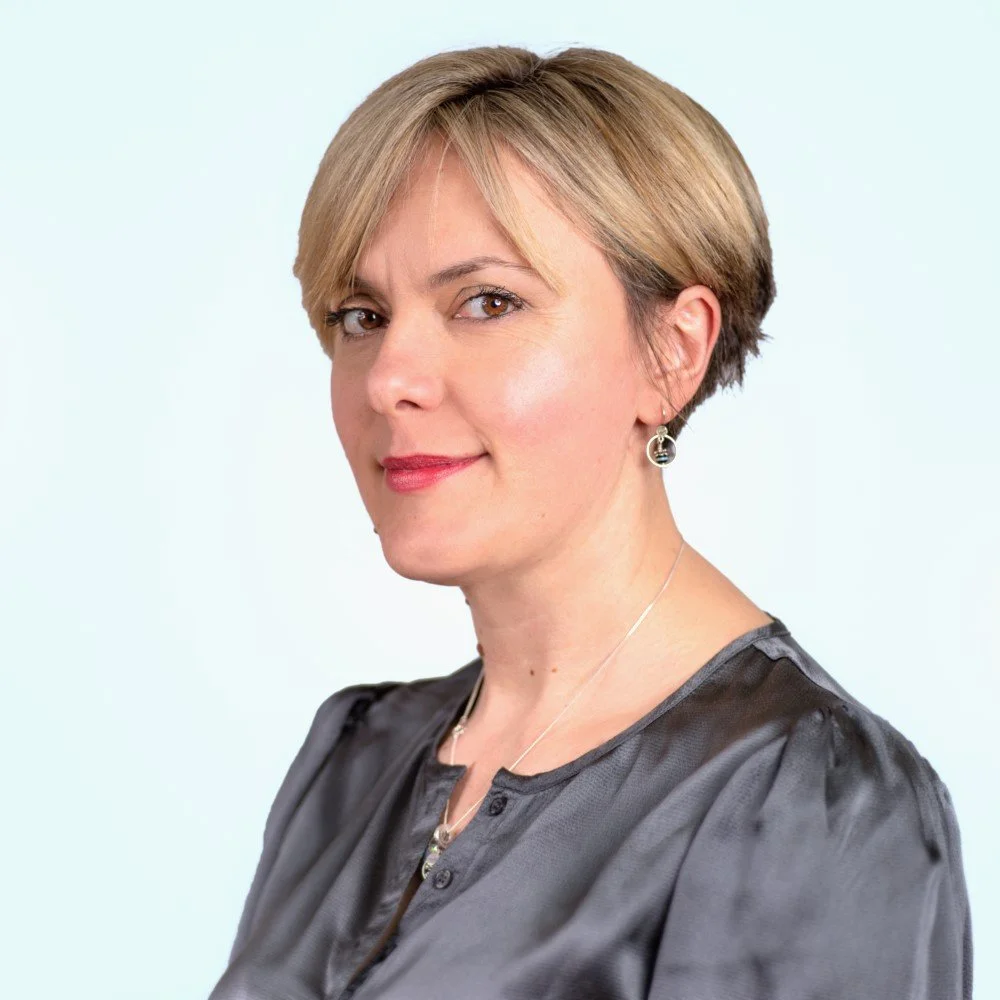
Dr. Debra W. McClendon, PsyD, PhD is a clinical psychologist and Founder/CEO of Brain Training Institute LLC in California, USA.
She specializes in ILF Neurofeedback (Othmer Method) and EEG-based neurofeedback (BeeLab) within a multimodal clinical framework integrating QEEG/ERP-informed decision-making, photobiomodulation, tDCS, and psychotherapy-informed care to support state regulation and functional recovery across diverse clinical populations.
-
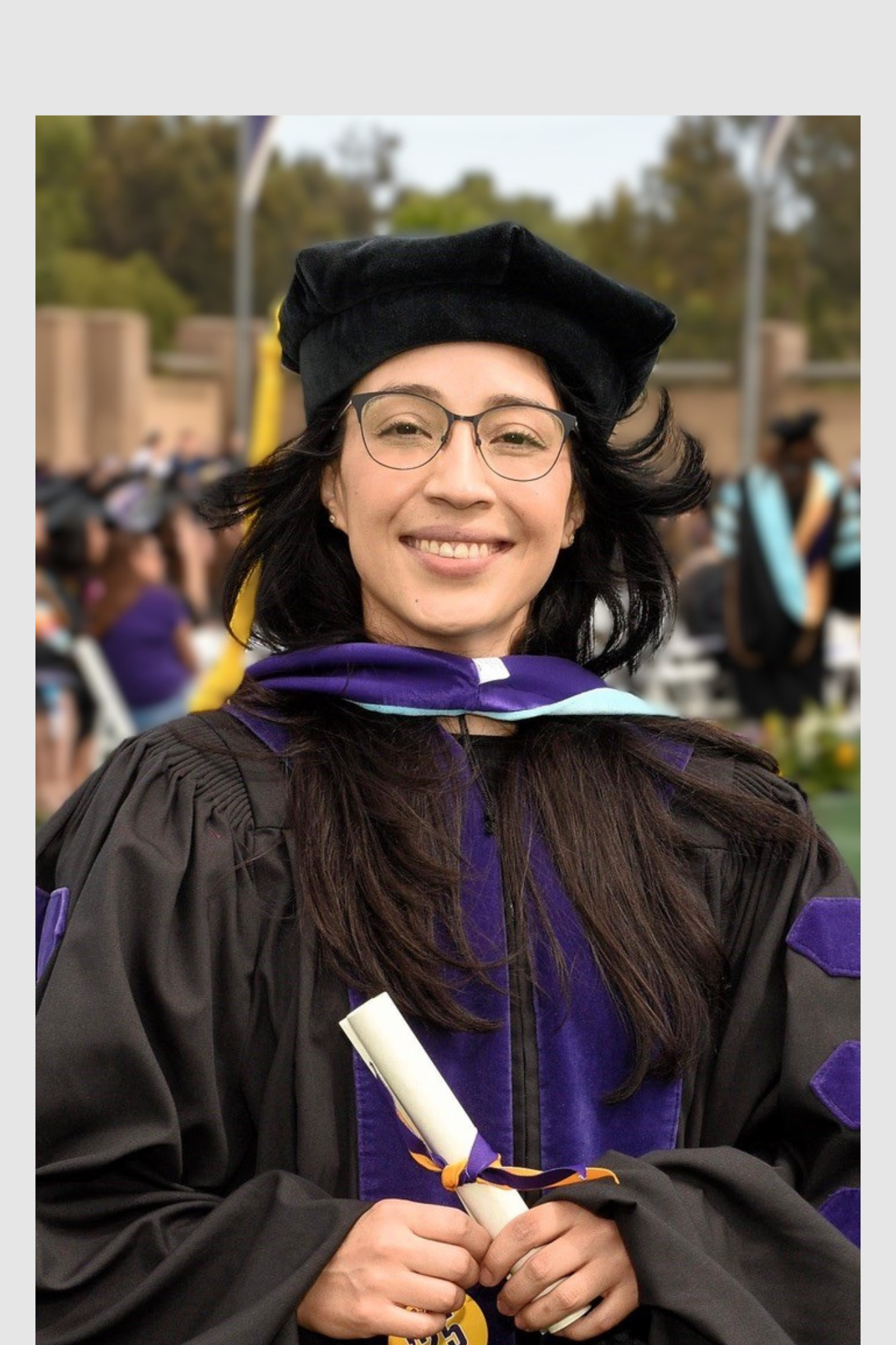
Sejla Murdoch is a Senior Psychologist with 26 years of experience in trauma-focused therapy. She holds a Master’s degree in Brain and Mind Science (Faculty of Medicine and Health, University of Sydney) and is currently completing a PhD examining neuromodulation with refugee children and adolescents. Sejla is the Senior Team Leader of the Neurofeedback Program at STARTTS (NSW Service for the Treatment and Rehabilitation of Torture and Trauma Survivors), Sydney, where she co-developed one of the first dedicated neurofeedback clinics supporting refugee trauma survivors and helped integrate neuromodulation into trauma-informed care.
She trained in frequency neurofeedback in 2004 and completed ILF training in 2018. Sejla is certified in Neurofeedback and HRV Biofeedback, and is a Frequency and ILF mentor and trainer, supporting practitioners locally and internationally.
-
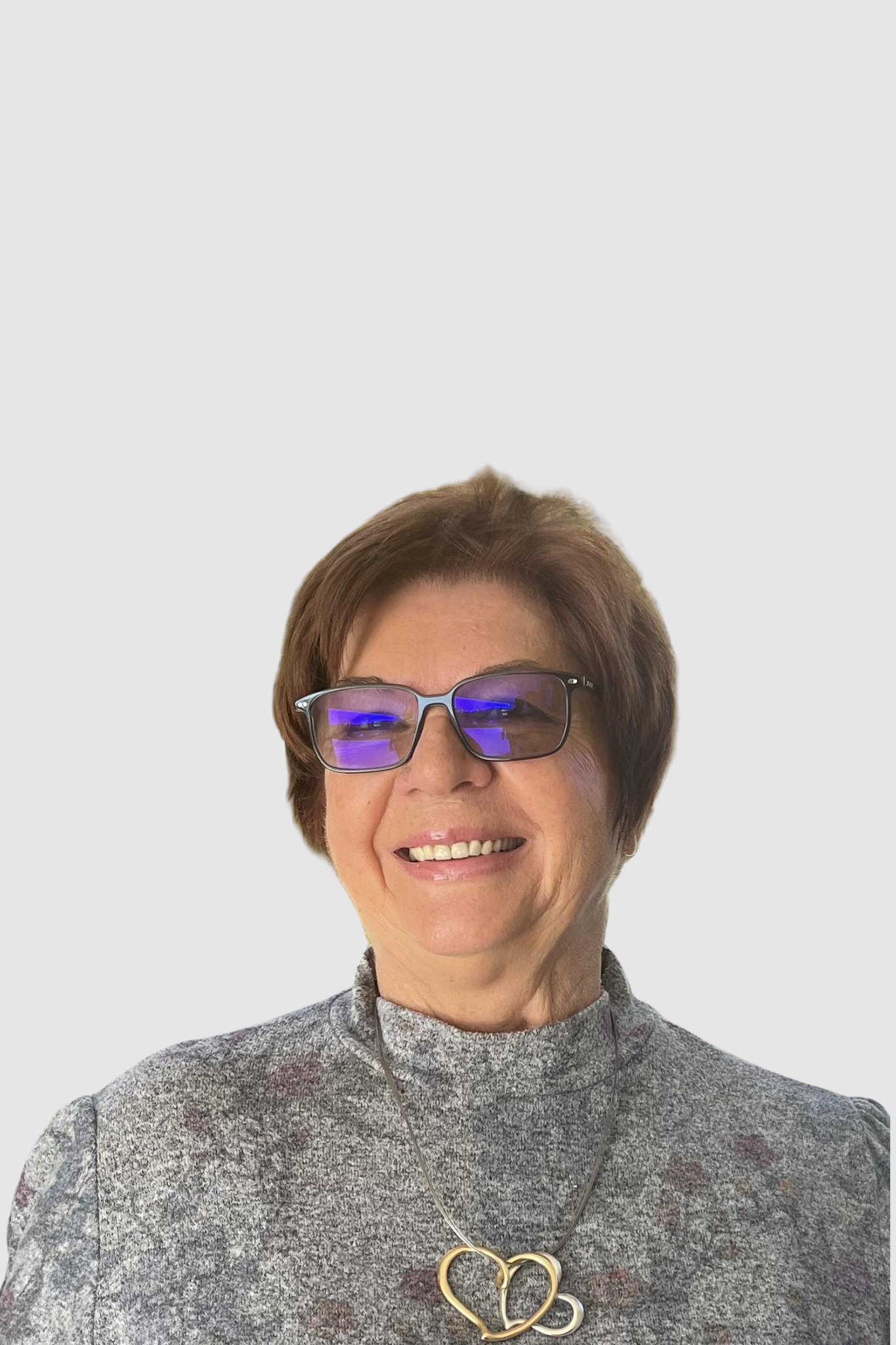
Liz Ornelas, PhD, holds a bachelor’s degree in psychology from the Autonomous University of Guadalajara, Mexico, and a master’s and doctorate in clinical psychology from California Lutheran University. She has over 15 years of experience in assessment, therapy, and neurofeedback, with more than 8,000 clinical hours using the Othmer Method.
She is Director of the Neurofeedback Department at Family Psychological Services (California, USA), where she specializes in adapting neurofeedback protocols to meet individual patient needs using objective clinical measures. Dr. Ornelas is actively engaged in professional consultation, contributing to the ongoing development of the neurofeedback field.
-
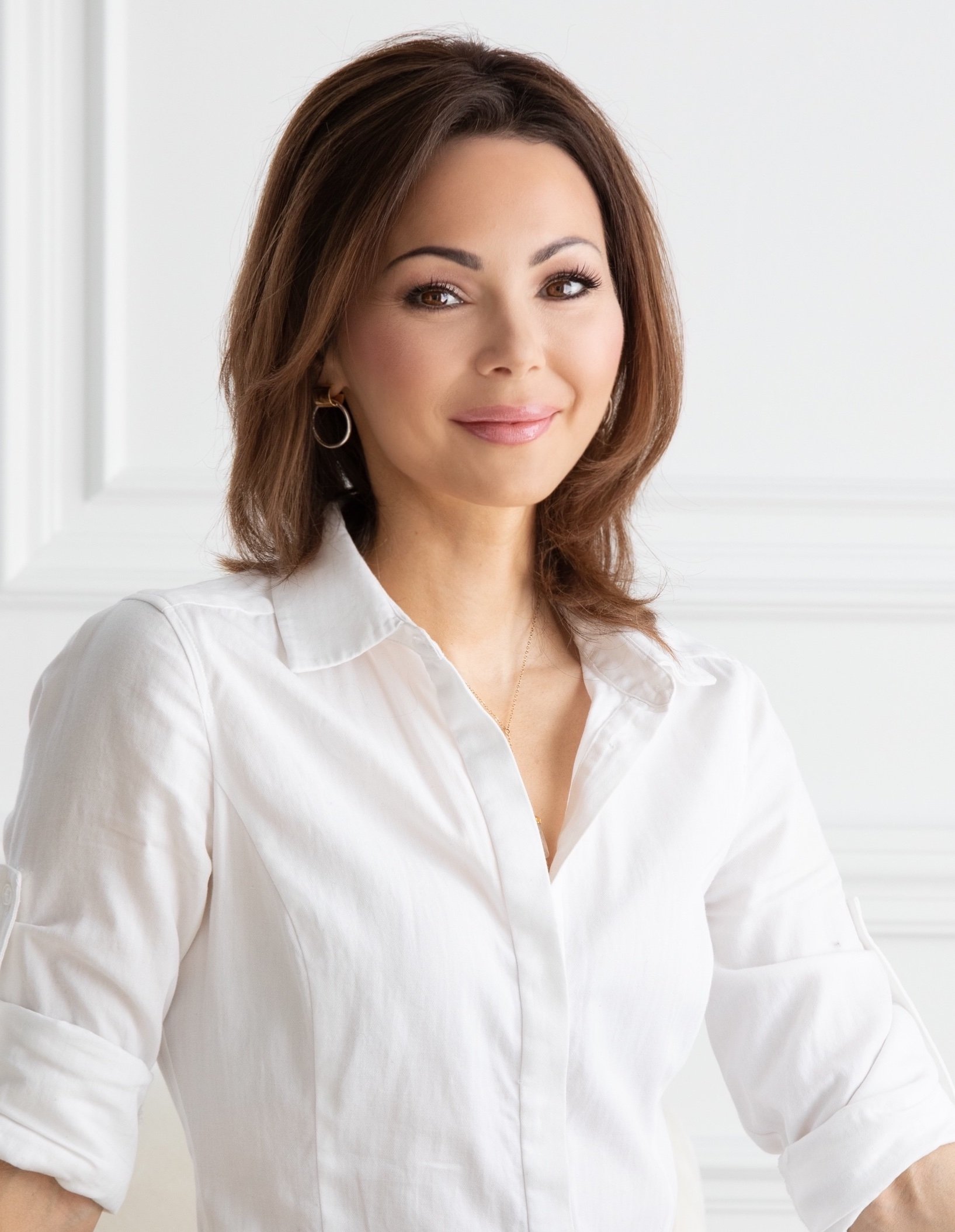
Milica Pavić is an electrotechnical engineer, inventor of the COMBY EEG Cap and specialized EEG electrodes, and founder of PAMEL d.o.o. (1992).
Her innovations are based on extensive clinical experience at the Croatian university reference clinic for EEG in Zagreb, where she worked as a specialist engineer in routine and advanced EEG diagnostics.
For over ten years, she has lectured in biofeedback and neurofeedback education, helping therapists understand EEG fundamentals and achieve high-quality recordings in clinical practice.
-
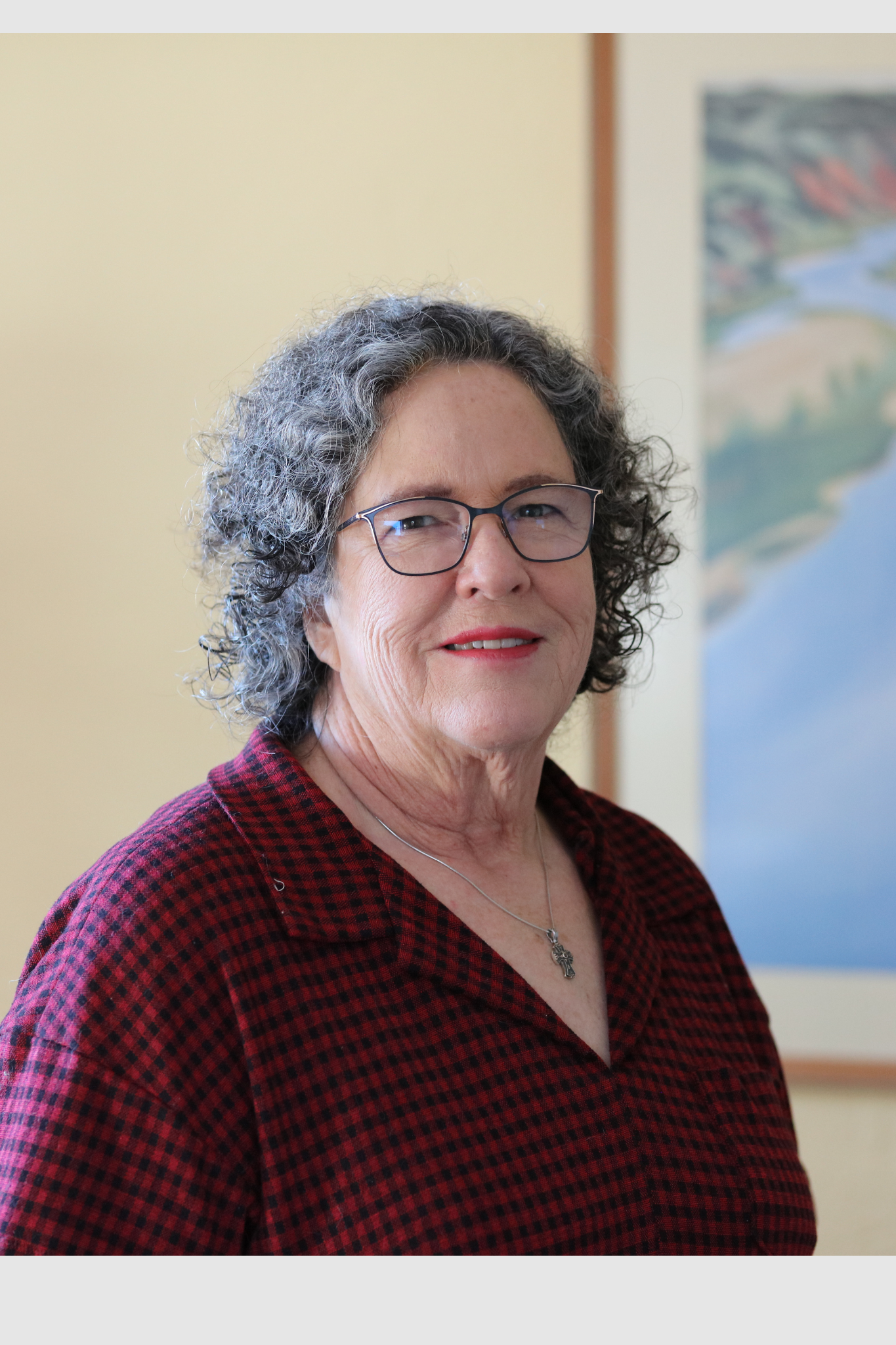
Lucie Ritchie is a trauma psychotherapist in Toronto, Canada. She is also a doctoral candidate (EdD) specializing in traumatology, with a research focus on complex trauma, moral injury, and the neurobiology of self.
Her work explores how trauma disrupts large-scale brain networks involved in identity and present-moment awareness, including the default mode network (DMN) and sensorimotor network (SMN). Lucie’s research integrates ILF neurofeedback and Deep Brain Reorienting as complementary approaches to supporting temporal continuity following trauma.
-
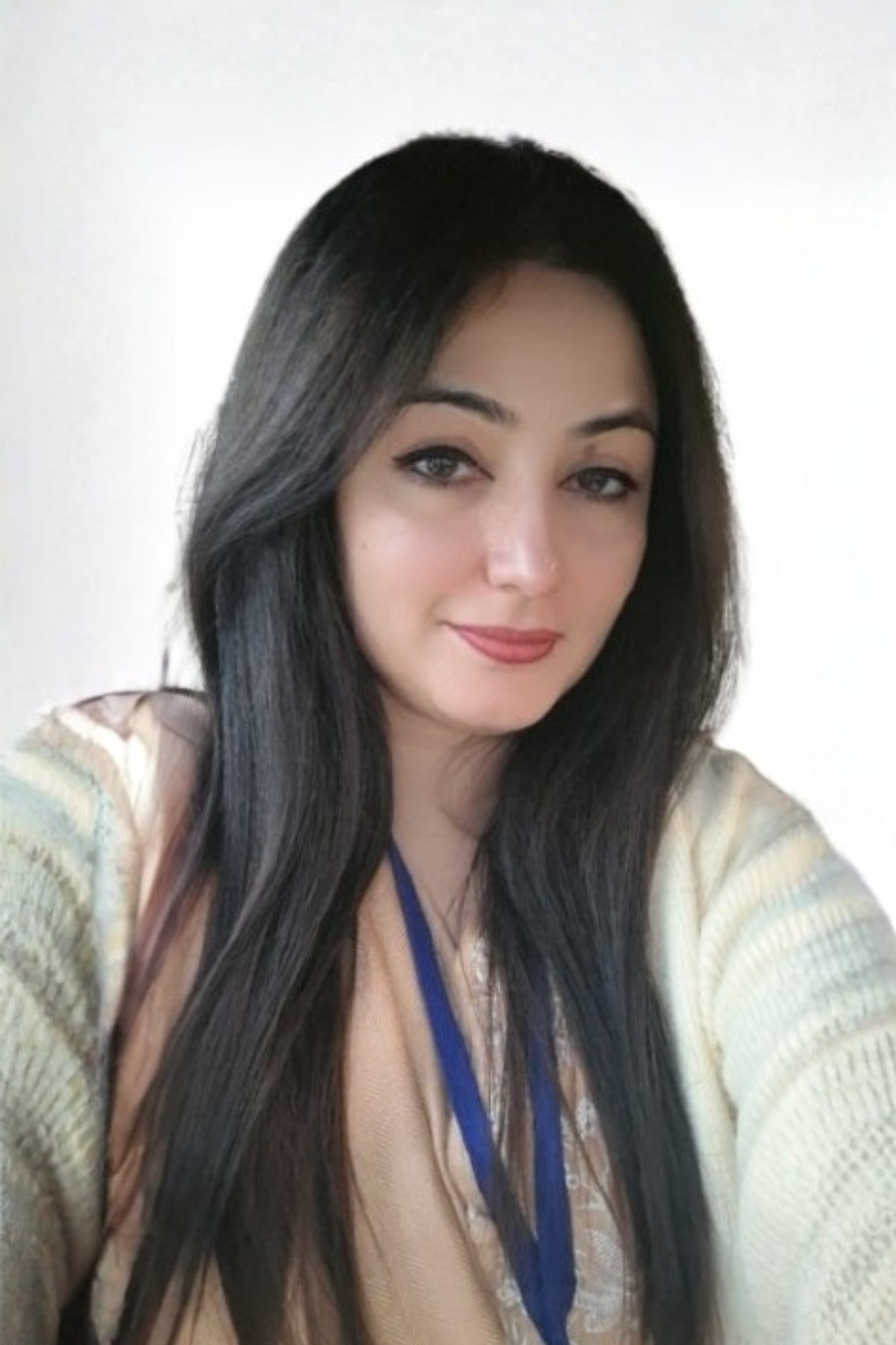
Julia Riutzel, MA, NCC, LPC is a Mental Health Counselor with a degree in Counseling Psychology and certifications in multiple other modalities. She has been serving complex populations for over 30 years with the last 10 being focused on the use of bioregulation and psychodynamic therapy. Trained in various bioregulation modalities including Infra-low Frequency EEG, Heart Rate Variability Training, Pulse Electromagnetic Frequency and Infra-Red therapy.
She is a member of American Counseling Association, the Association for Applied Psychophysiology and Biofeedback and is Nationally Board Certified.
-
Shemaila Saleem (MBBS, MPhil, MPH, CHPE, PhD) is a Professor of Physiology and a growing neurofeedback practitioner. She empowers children with ASD, ADHD, and intellectual disabilities by enhancing cognition, behavior, and learning through neurophysiological interventions.
Her research spans exercise physiology, oxidative stress, and diabetic neuropathy, bridging science and clinical practice. A mentor and curriculum innovator, she integrates neurofeedback, behavioral science, and AI-driven tools into medical education. She has published widely and presented internationally. Her passion lies in translating research into practical strategies that improve patient outcomes.
-
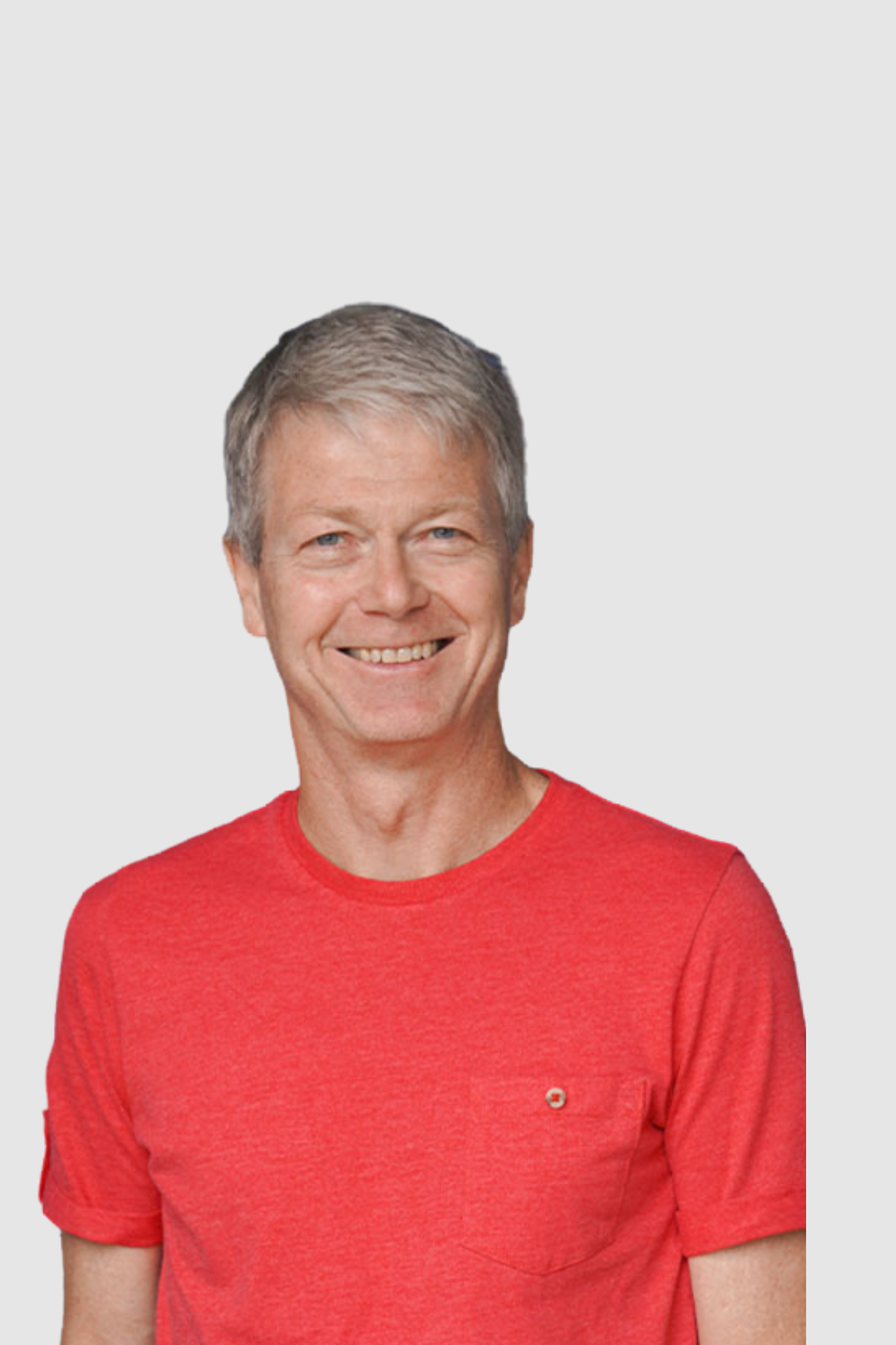
Horst Schneider holds a degree in biology and a doctorate in neurophysiology.
He has over 20 years of experience in brain research and is an expert in the fields of brain functioning, ion channel physiology, quantitative EEG (qEEG), event-related potentials (ERPs) and electrophysiology in general.
-
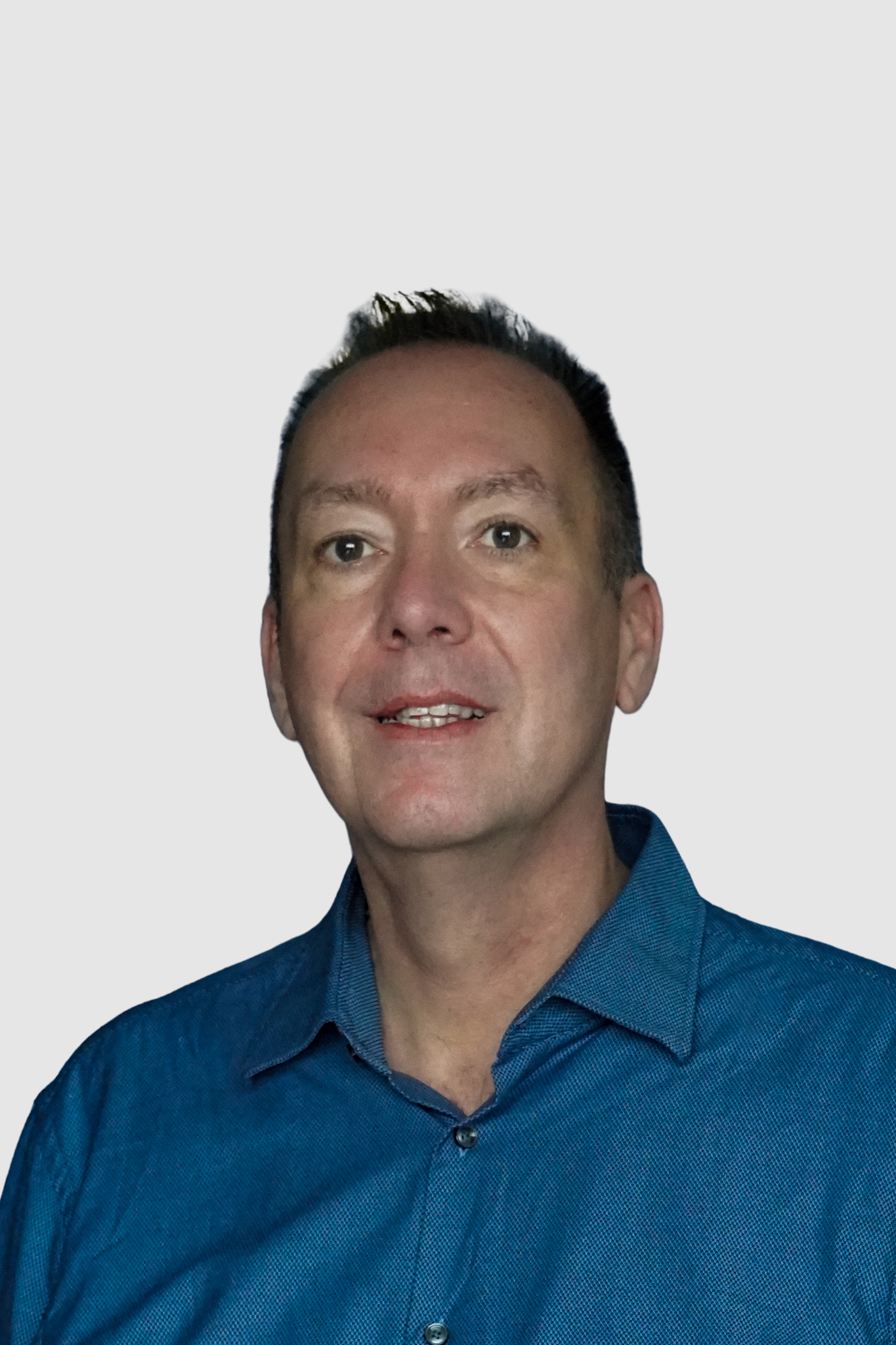
Thomas Theis, OMC, is an occupational therapist, neurofeedback instructor, and clinical supervisor for ILF Neurofeedback with 25+ years of experience treating neurological and psychiatric conditions across the lifespan. He directs two clinical practices in Northern Hesse, Germany, where his team has delivered nearly 29.000 neurofeedback sessions to 600+ clients since 2015.
His clinical work emphasizes systematic symptom tracking and data-driven protocol optimization to enhance treatment outcomes.
-
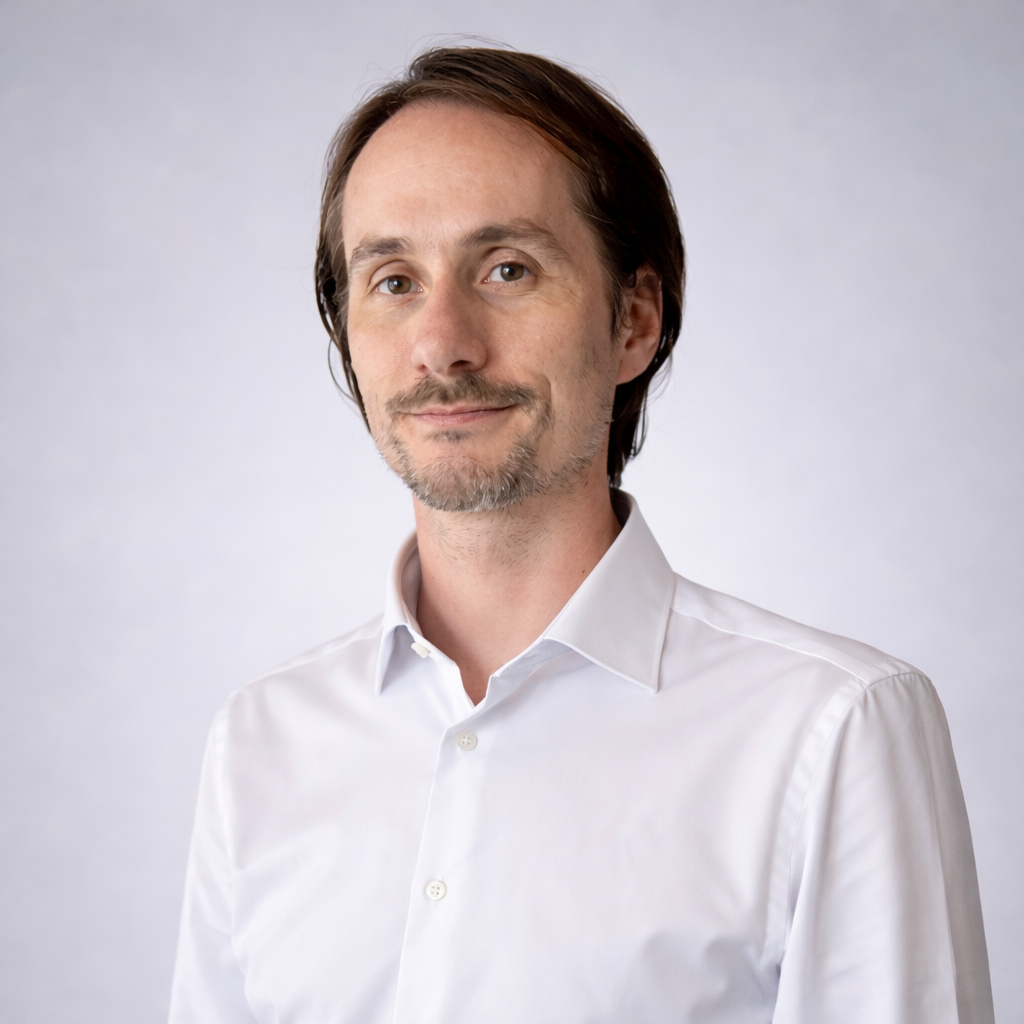
Alan Tyl is a neurofeedback practitioner and lecturer at the EEG Biofeedback Institute in Prague, Czech Republic, where he also serves as Director. He has over 13 years of experience in neurofeedback, including six years working with the Othmer Method and Infra-Low Frequency (ILF) neurofeedback, following earlier practice with frequency band–based protocols.
Alongside his clinical and teaching work, Alan has long-standing involvement in non-dual contemplative practice. His professional focus centers on self-regulation, nervous system stabilization, and supporting the integration of deep internal changes into everyday functioning.
-
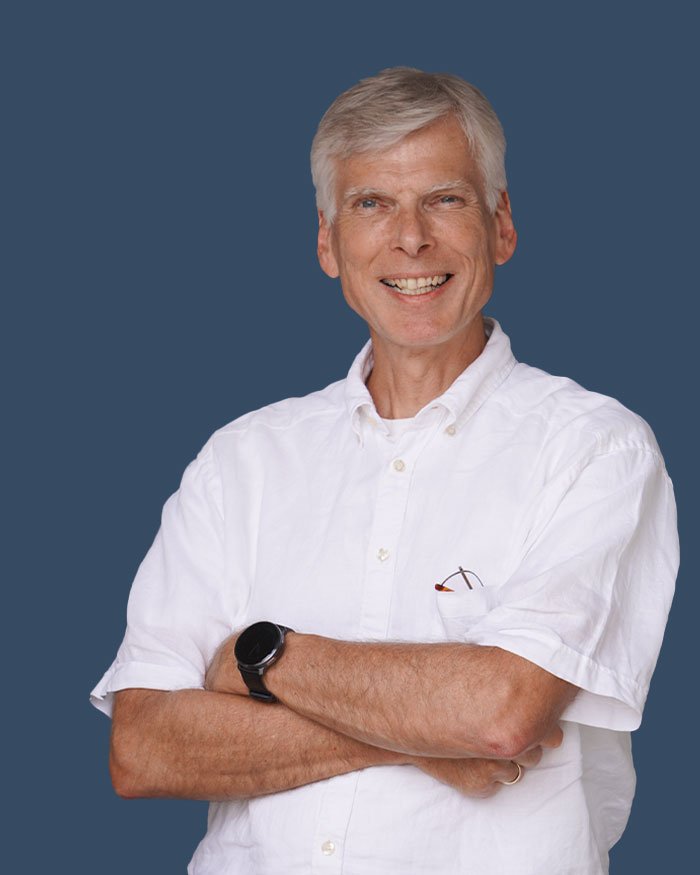
Dr. Bernhard Wandernoth is the founder and chairman of BEE Medic, a company group specializing in developing technologies to support diagnostic and therapeutic processes in mental health. A technology enthusiast since his youth, he studied electrical engineering at the Technical University of Munich, focusing on signal processing and information theory, and earned his doctorate in quantum-limited laser communication.
After twenty years in the aerospace industry, he shifted his focus to mental health, dedicating himself to the development of practical and clinically effective technologies. Another key focus of his work is supporting research and pilot projects, particularly those aimed at helping individuals whose participation in society depends on improved brain function.
-
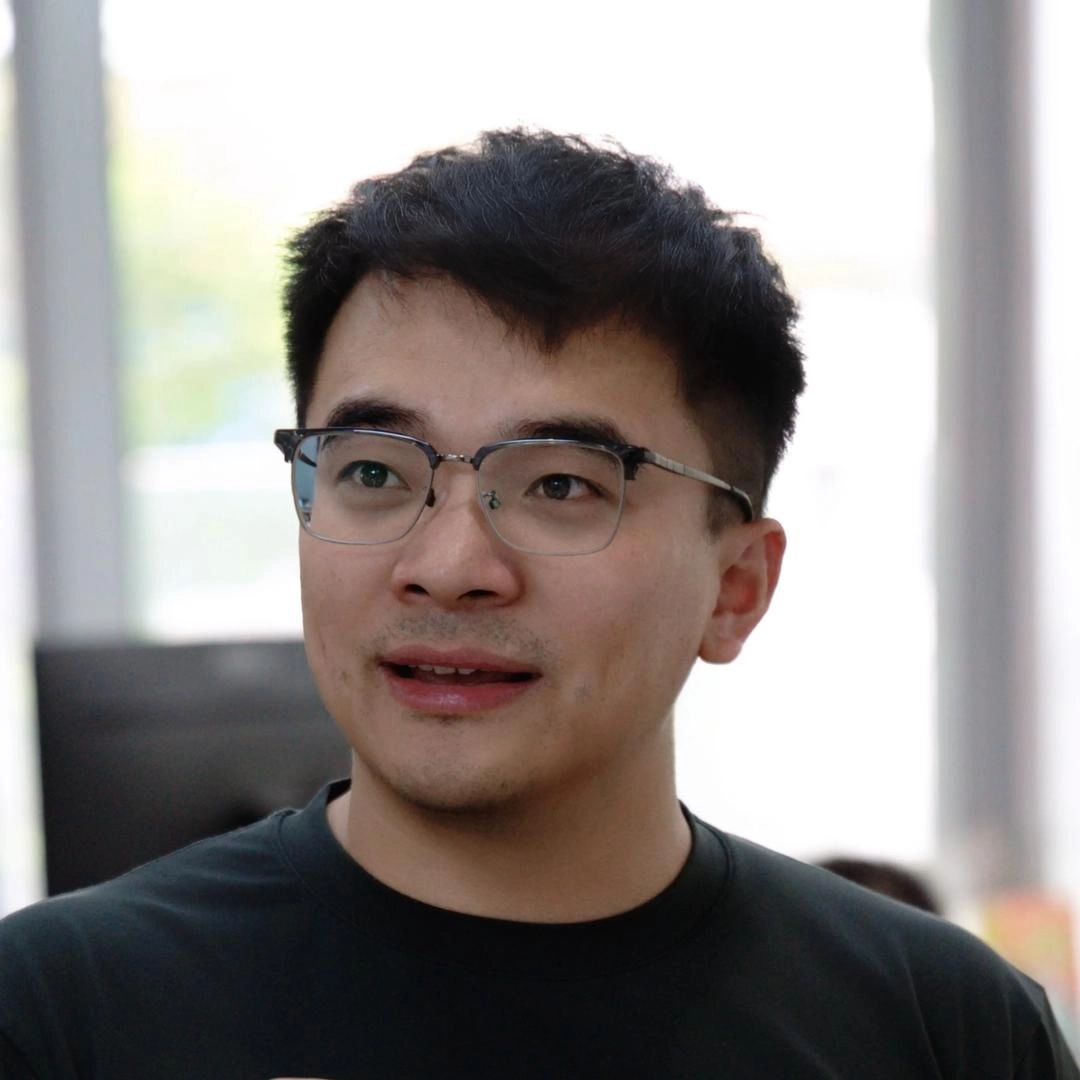
Dipl.-Ing. Yao Xue is the CEO of ZenoWell with over 10 years of experience in neurofeedback, active neuromodulation, and closed-loop neurotechnology. He is a Ph.D. candidate at Heidelberg University Medical School (Germany) and holds an M.Sc. from TU Darmstadt. Over the past decade, he has focused on the design, validation, and real-world deployment of neurofeedback systems and closed-loop neuromodulation technologies for mental health and nervous system regulation, translating real-time neural and physiological signals into adaptive, user-centered interventions.
His work bridges neuroscience research, medical-grade engineering, and product strategy, and he actively contributes to international collaborations as a Board Member of the Sino-German Brain-Computer Interface Society, with a long-term vision of making science-grounded, human-centered neurotechnology accessible for everyday well-being.
Speaker, agenda & content are subject to change.
-
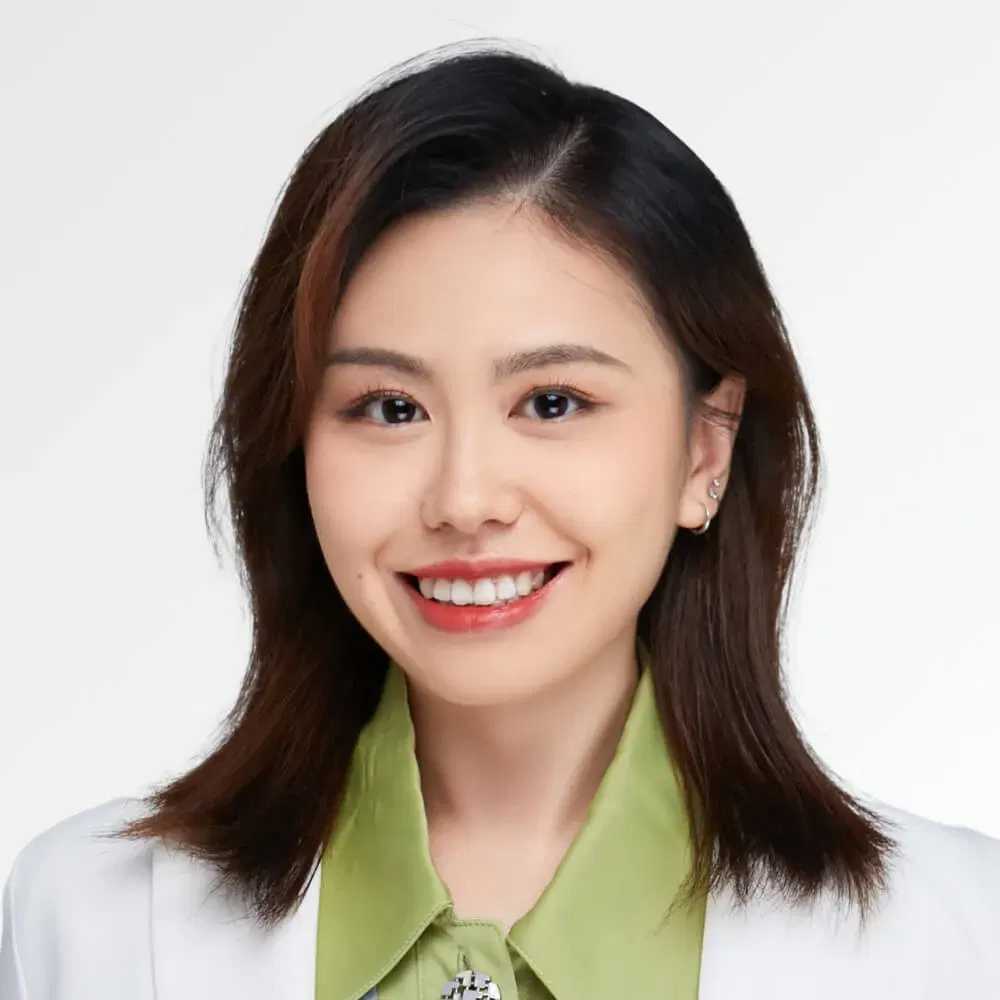
Dr. Jane Xuezhen Xiao is the Co-Founder of BrainCLOS Co., Ltd., and the CSO of ZENOWELL LIMITED. She is also a PI at Huzhou Institute of Zhejiang University. Dr. Xiao received her Ph.D. in Cognitive Neuroscience from The Chinese University of Hong Kong (CUHK).
Her research interests center on neuroimaging and neural modulation technologies for cognition and mental health, integrating multimodal approaches such as EEG/ERP, transcutaneous auricular vagus nerve stimulation (taVNS) or transcranial magnetic stimulation (TMS).
She has published in journals including Brain Stimulation, NeuroImage, Human Brain Mapping. She also serves in several professional committees focused on neuromodulation and intelligent rehabilitation, supporting research-to-clinic translation.