
Lectures at a Glance
Get a snapshot of all conference lectures. Explore the abstracts to see what our speakers will share and what you can take away.
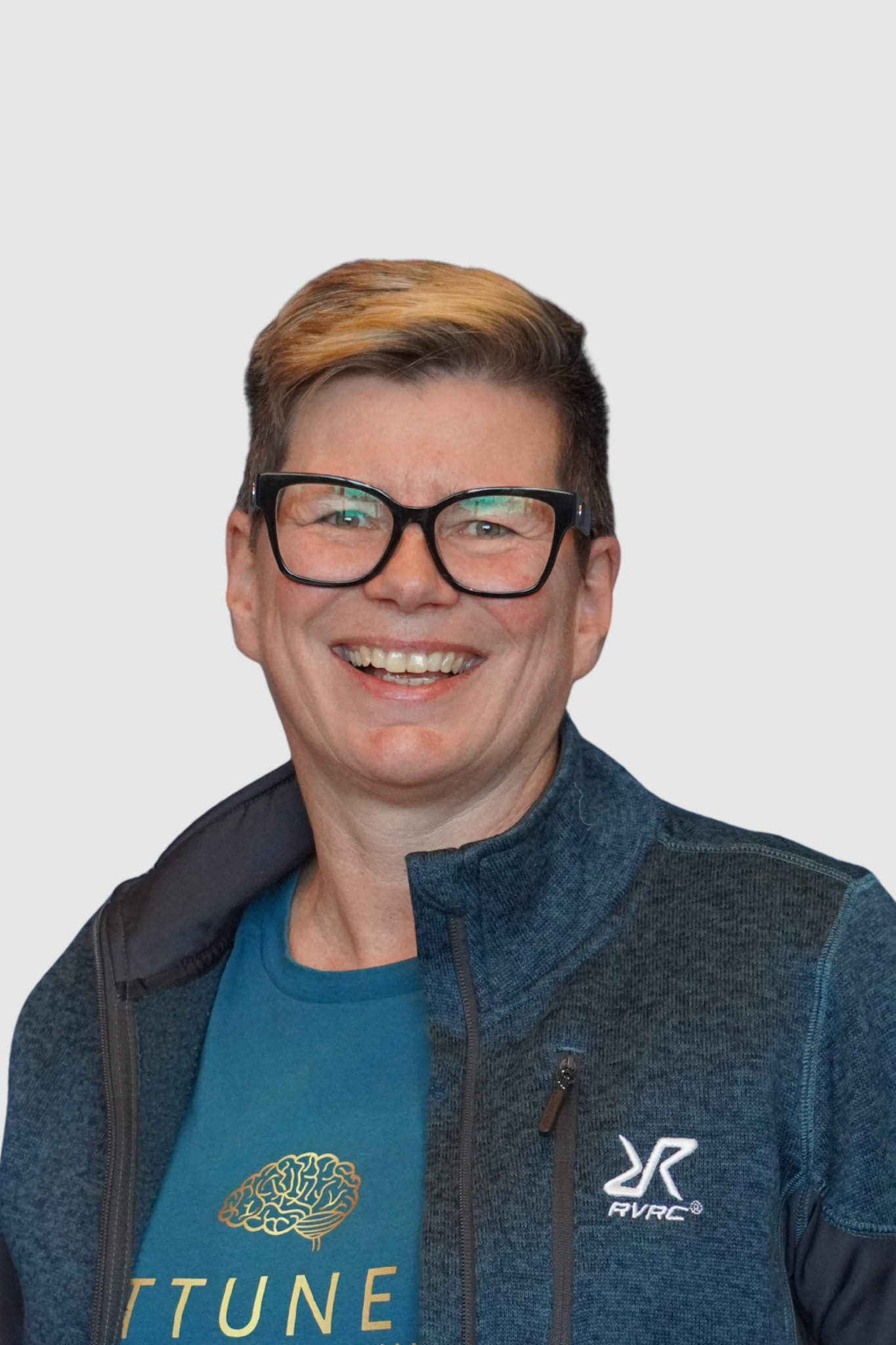
Dr. Meike Wiedemann
Self-Organization and Self-Regulation:
A Neurophysiological Framework for
ILF Neurofeedback
This presentation introduces a neurophysiological perspective on the brain as a self-organizing, self-regulating system. Drawing on principles from dynamical systems theory, neuroplasticity, and feedback-driven pattern formation, it illustrates how neural networks continually reorganize through internal feedback loops rather than external instruction. Examples from natural self-organization highlight the universality of these principles.
The talk further emphasizes the essential role of therapeutic presence, perception, and relationship: neurofeedback is both a technical and relational intervention. Understanding self-organization and arousal regulation provides a coherent theoretical basis for why ILF Neurofeedback can promote functional improvement even when mechanisms are not fully understood.
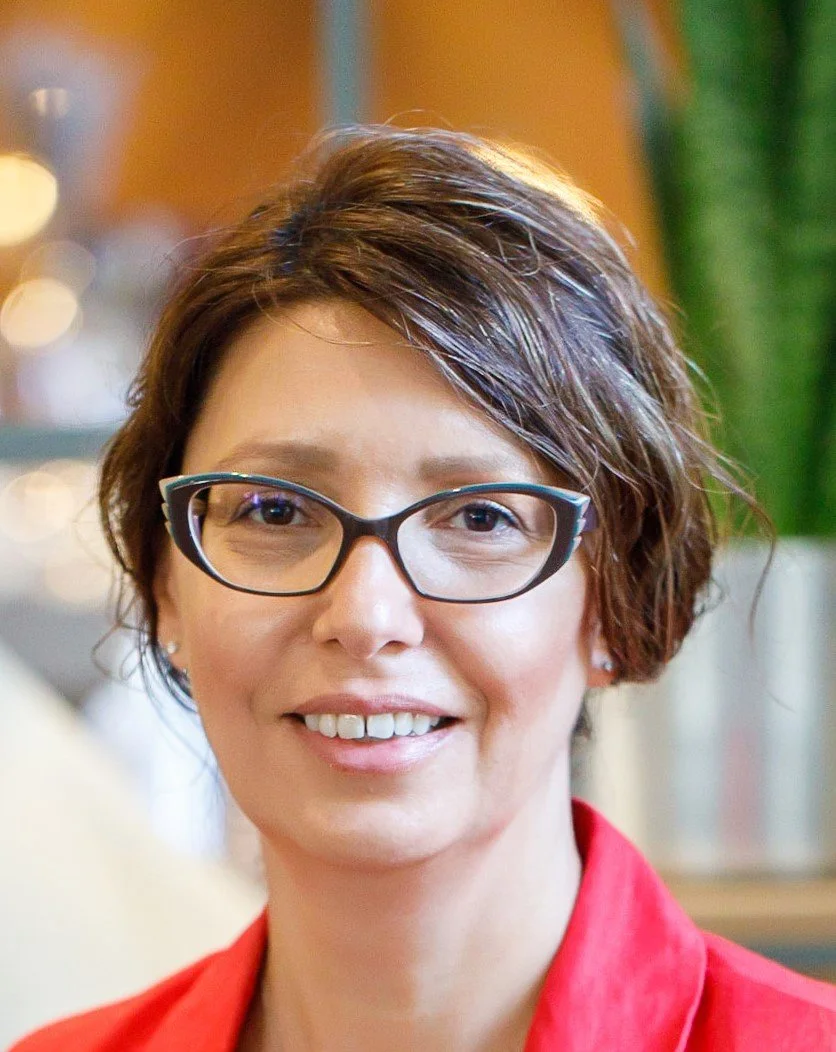
Roxana Sasu
Neurofeedback Approaches: Prescription Versus Precision Models
Neurofeedback encompasses a wide range of clinical methodologies, each anchored in distinct theoretical frameworks and differing in how individually tailored the intervention can be. This presentation contrasts prescription-based neurofeedback models with the precision-based approach exemplified by Infra-Low Frequency Neurofeedback, also known as the Othmer Method.
By comparing the theoretical foundations, clinical implications, and regulatory targets of these models, this presentation highlights how a precision approach may enable more nuanced and effective neurofeedback interventions than standardized prescription models, particularly for complex and heterogeneous clinical presentations.
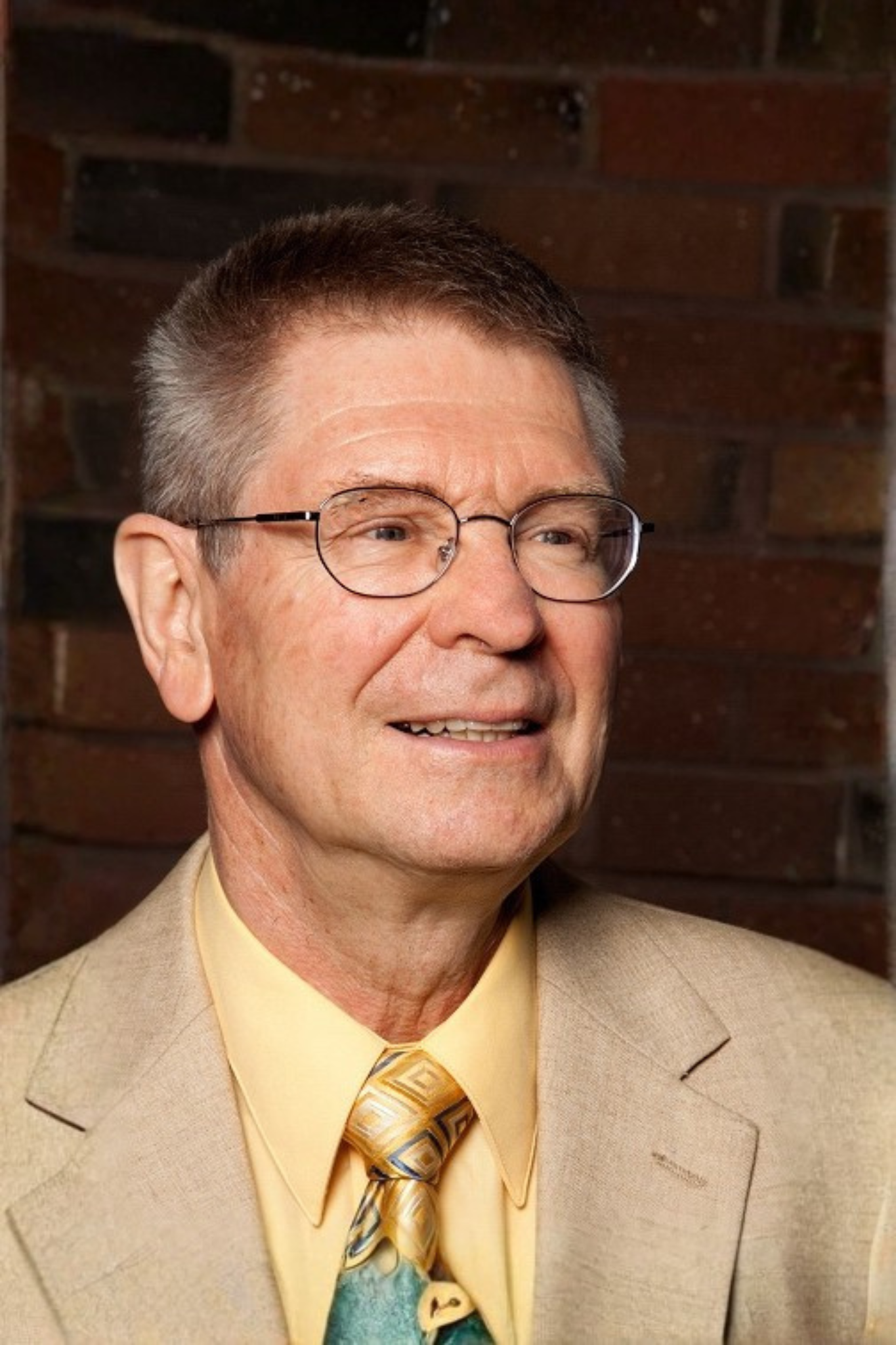
Dr. Siegfried Othmer
Forty Years of Neurofeedback by Way of Endogenous Neuromodulation
Online
Guided by decades of clinical experience, Siegfried takes us on a 40-year journey that led to the discovery of the Optimal Response Frequency (ORF) principle - a paradigm shift that moved the responsibility from clinician to brain, allowing clinicians to observe rather than prescribe. This breakthrough enabled exploration into ever lower target frequencies, beginning with the infra-low frequency range in 2006 and extending further into the ultra-low frequencies of micro-Hz and below.
Through a combination of ILF neurofeedback, synchrony training, and Alpha-Theta protocols, Siegfried has uncovered promising pathways to address the long-term effects of early childhood trauma. A second, often overlooked challenge is cerebral instability, where the ORF principle provides efficient access. This critical topic will be a highlight of the discussion, illuminating new frontiers in mental health treatment and brain optimization.
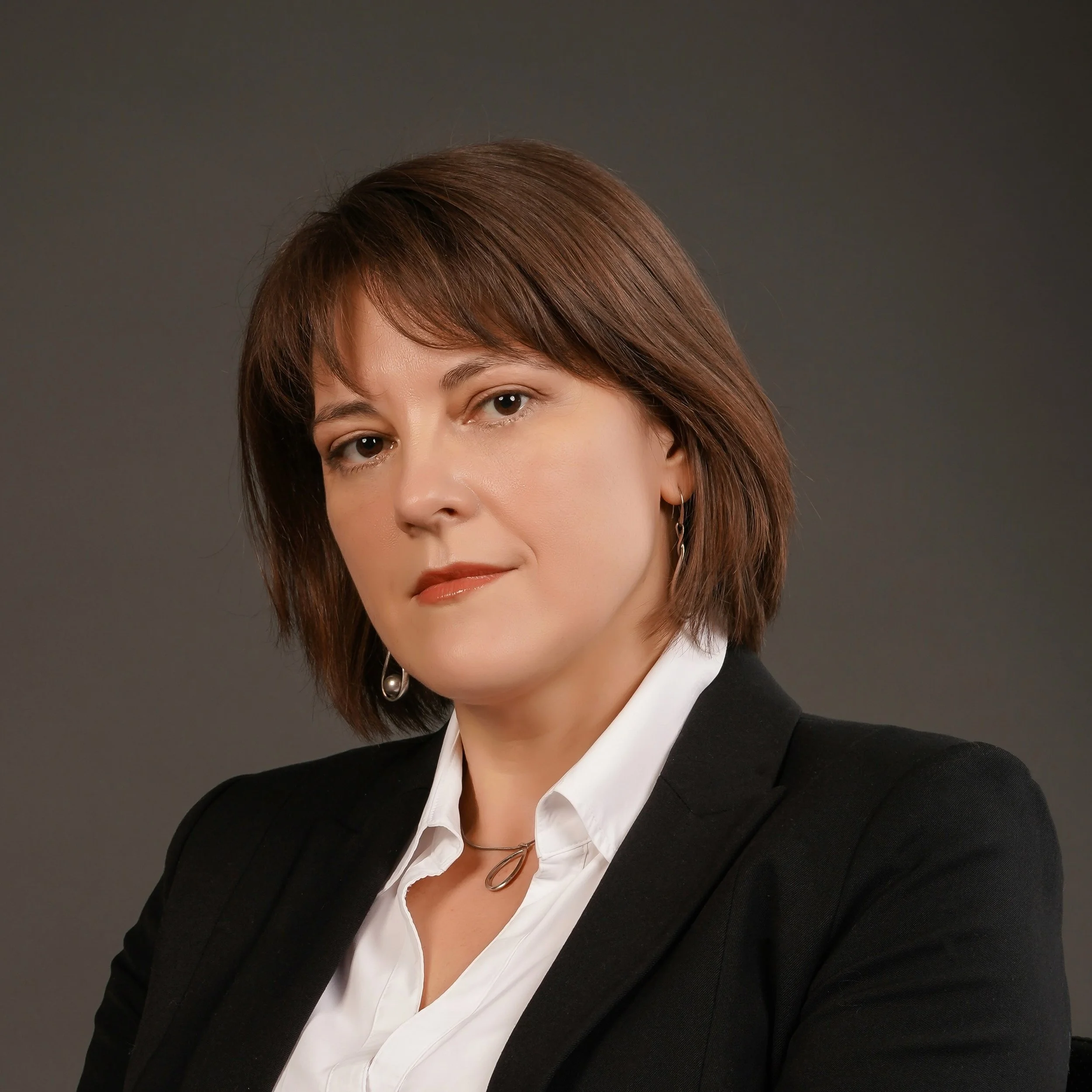
Dr. Olga Kara
Theoretical Paradigms in Neurofeedback and Their Clinical Implications: Frequency Band vs. Infra-Low Frequency Models
Neurofeedback encompasses multiple theoretical paradigms that reflect differing assumptions about neural organization, mechanisms of learning, and pathways of clinical change. Olga’s contribution contrasts two influential models - frequency band–based neurofeedback and infra-low frequency (ILF) neurofeedback - highlighting their conceptual foundations and implications for theory-driven practice. Frequency band neurofeedback targets specific EEG frequencies to support top-down modulation of attention, arousal, and executive control, while ILF neurofeedback facilitates bottom-up stabilization of neural and autonomic systems through large-scale network regulation.
From a theoretical perspective, these paradigms represent complementary levels of neural intervention rather than competing models. Frequency band approaches prioritize optimization within regulated systems, whereas ILF neurofeedback addresses the conditions under which regulation itself becomes possible. For symposium discussion, this comparison raises key questions regarding sequencing, integration, and theory refinement: How should regulatory and optimization-based approaches be combined? What constitutes evidence of mechanism across paradigms? Addressing these questions is essential for advancing neurofeedback as a coherent, theoretically integrated clinical discipline.
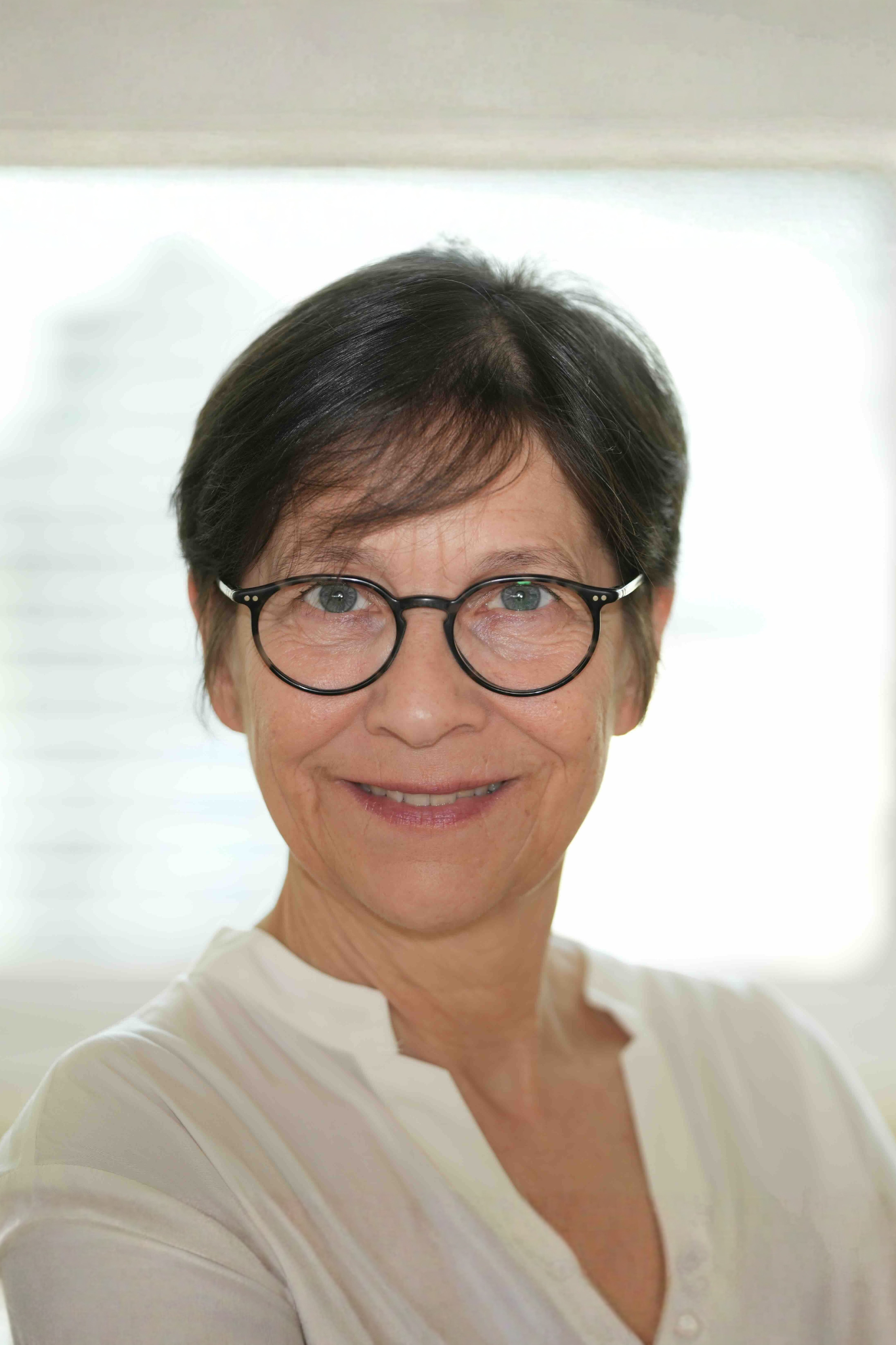
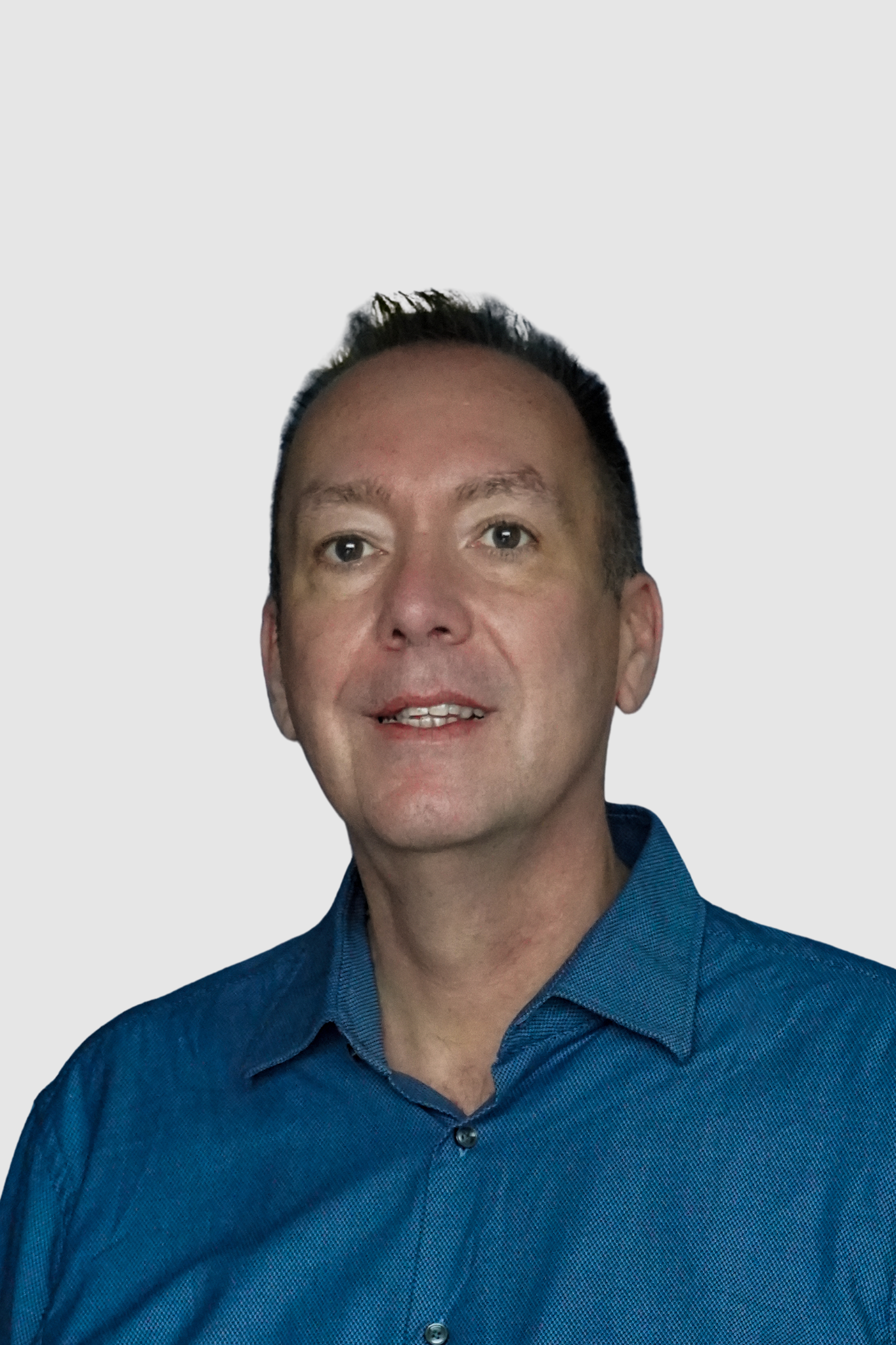
Ute Bolduan & Thomas Theis
-
Despite widespread clinical use, large-scale real-world studies of Infra-Low Frequency (ILF) Neurofeedback remain scarce. This presentation will present results from a naturalistic study that examined ILF Neurofeedback efficacy across diverse psychiatric diagnoses to test the arousal model's transdiagnostic predictions.
This is the first study examining symptom evolution at high temporal resolution throughout neurofeedback training. This largest naturalistic ILF Neurofeedback study provides robust real-world evidence supporting the arousal model: despite distinct symptom profiles, ILF Neurofeedback produces equivalent improvements across diagnoses.
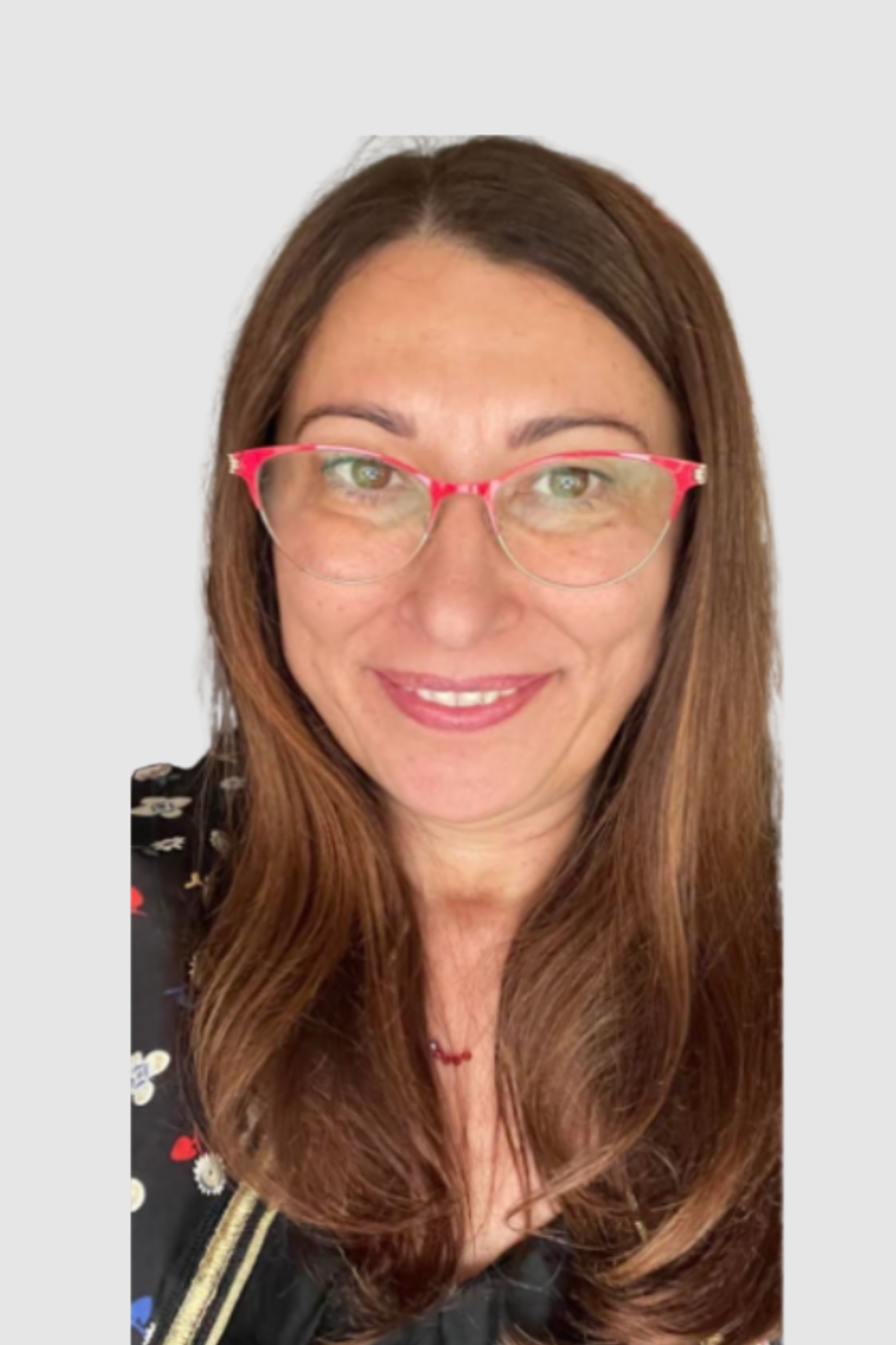
Adelina Coresi
-
This presentation focuses on the diagnosis and management of tic disorders in a five-year-old girl, covering key clinical features, differential diagnosis, and current research on underlying mechanisms. The evaluation process began with electroencephalography (EEG) to assess brain activity, followed by a targeted treatment plan incorporating biofeedback, neurofeedback, and neuromodulation. A follow-up EEG performed at the conclusion of treatment demonstrated clear and consistent changes.
Adelina will highlight evidence-based treatment strategies and aims to equip caregivers and healthcare professionals with practical insights to support children's well-being and developmental trajectory.
Aaron F. Gardner & Liz Ornelas
-
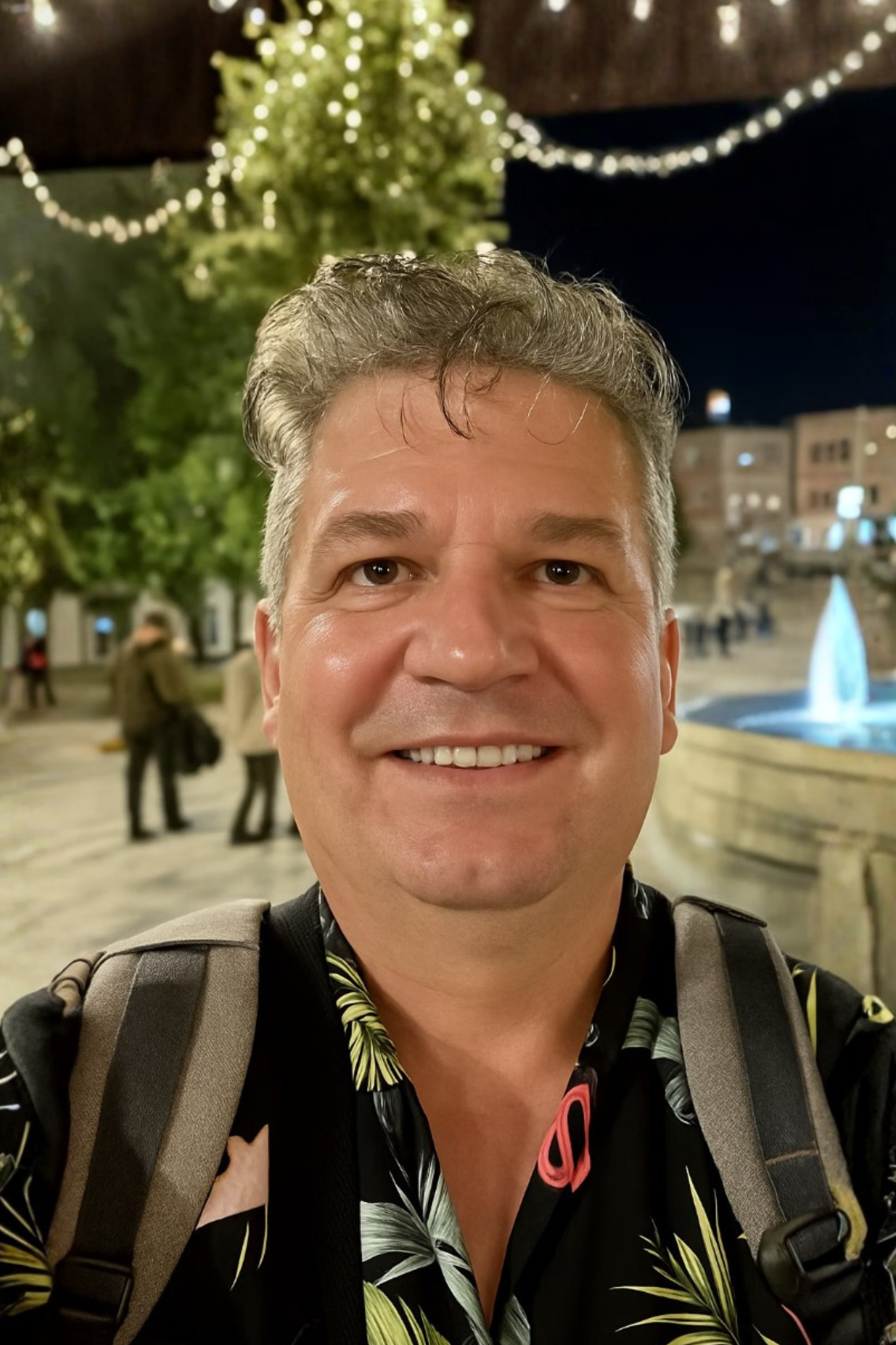
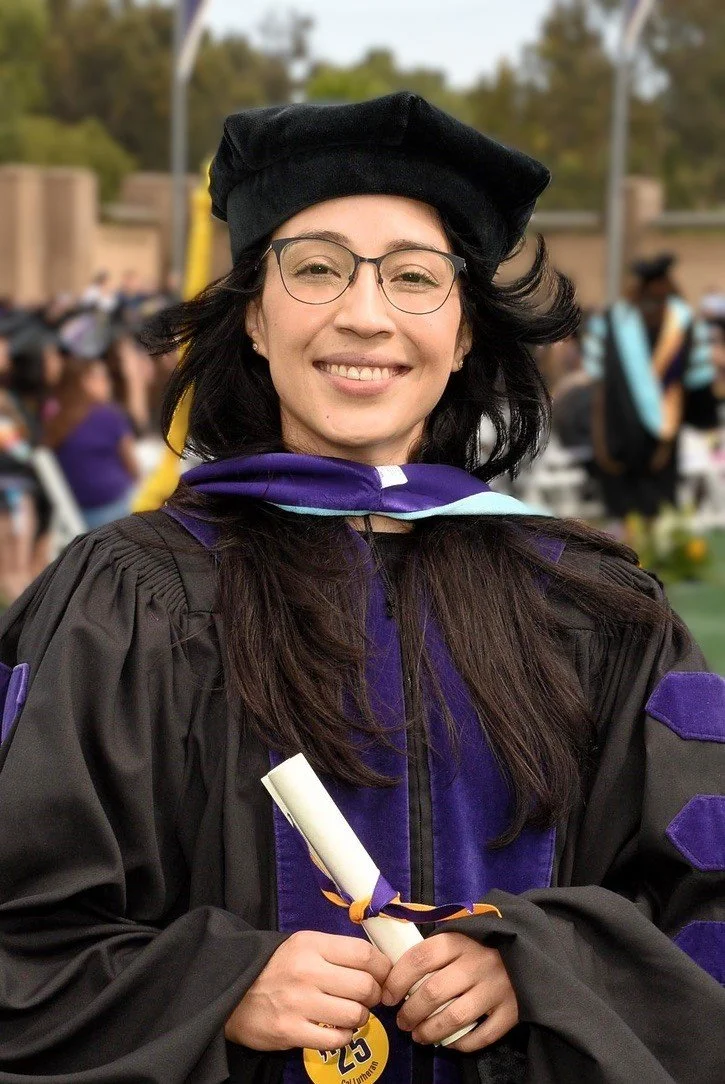
This presentation describes clinical experiences gathered by the speaker, using a prescription-model protocol proposal that combines infra-low-frequency (ILF) neurofeedback and frequency-based training elements within a single session. Based on several years of practical application, the speaker shares observational impressions from routine clinical work.
The presentation is intended as an alternative experience-based method report, not a controlled scientific evaluation, and it does not claim comparative efficacy or generalizable outcomes.
Anna Hallberg
-
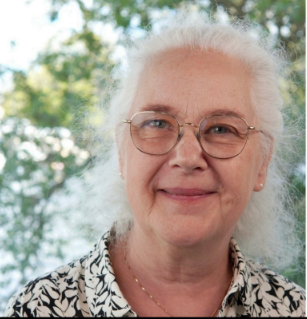
This presentation provides a concise introduction to Deep Brain Reorienting (DBR), a pioneering trauma therapy model rooted in neuroscience. DBR is unique in identifying physiological shock as the primary source of suffering.
Deep Brain Reorienting theory hypothesis that shock registers in the brainstem and therefore treatment should address that place. Unlike talk- and bodywork therapies, DBR affects both body and brain. Research indicates significant changes in brain networks, and clients consistently report remarkable clinical outcomes.
In a DBR session, it is essential to be deeply grounded in your own being and fully present, offering undivided attention to make the connection between brainstem to brainstem. The therapy is a neurophenomenological model that honors the first-person experience.
Djara E. Hampton
-
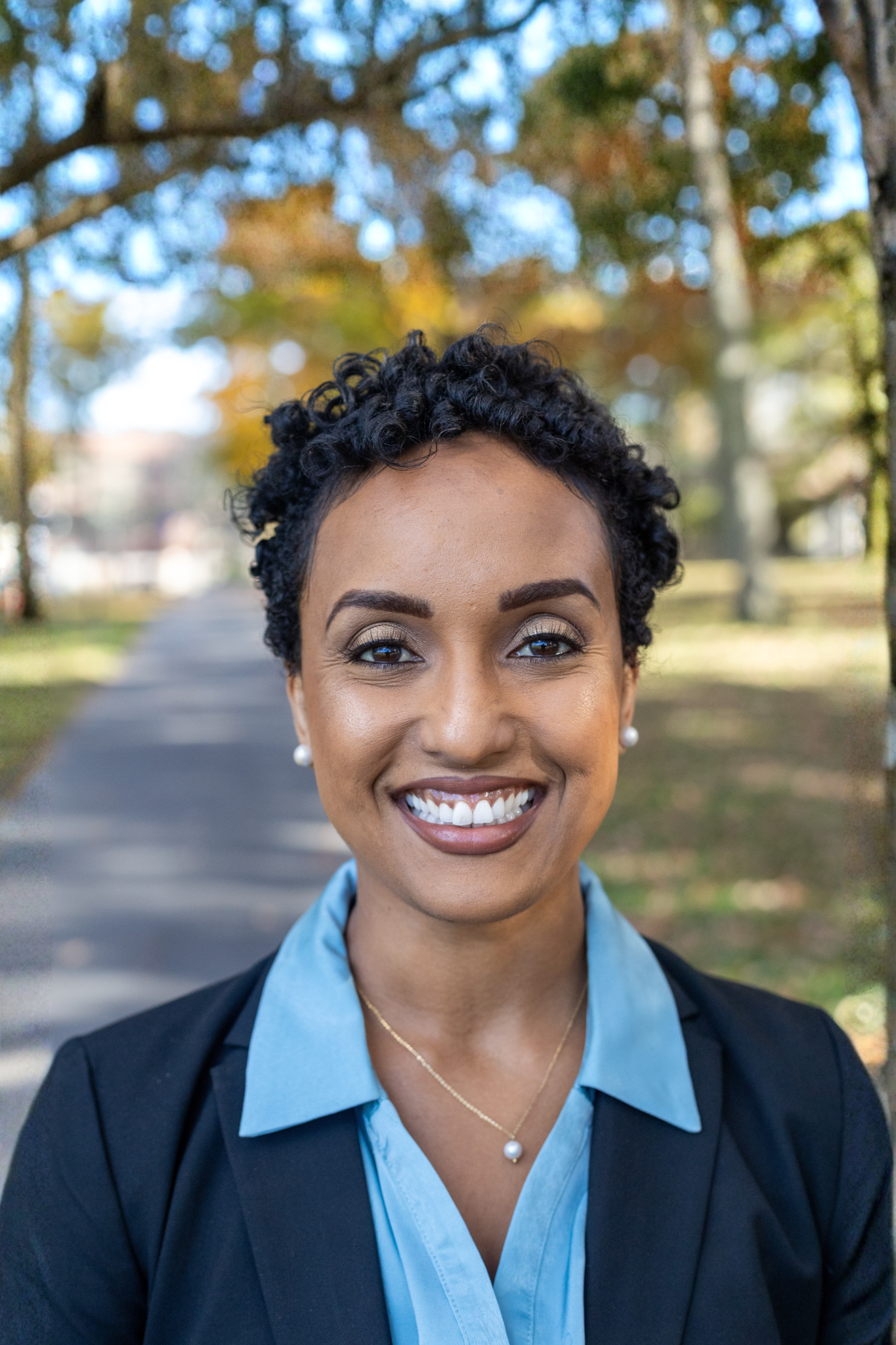
In this presentation, Djara will share her personal story of recovery through neurofeedback and how that journey continues to shape her clinical work. As a therapist, she integrates neurofeedback with trauma-informed cognitive behavioral therapy (CBT) and mindfulness practices to help clients reduce intrusive thoughts, regulate emotional intensity, and build healthier relationships.
Djara will highlight specific protocols, such as alpha-theta training and synchrony, and demonstrate through case examples how these approaches can facilitate deep healing. By weaving together her own experience with clinical application, she aims to show how neurofeedback is not only a powerful therapeutic intervention but also a transformative path of restoration.
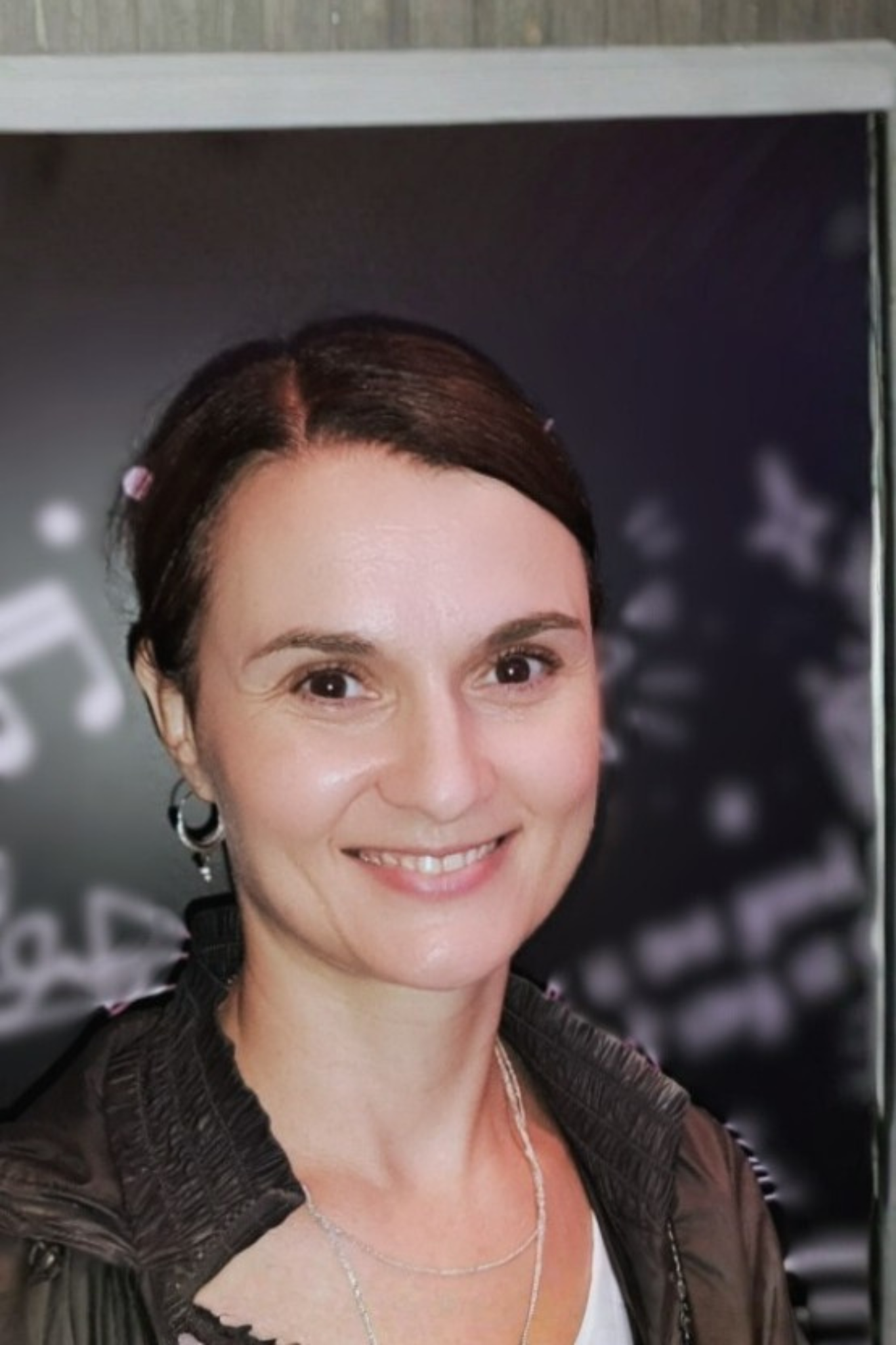
Bojana Knežević
-
This lecture presents the most common clinical benefits of neurofeedback in individuals with speech and language disorders, with a particular focus on adults following cerebrovascular incidents (CVI) and children with childhood apraxia of speech.
Since 2017, ILF neurofeedback has been an integral part of the interdisciplinary therapeutic approach at the Institution for the Rehabilitation of Hearing and Speech SUVAG Karlovac. Across all treated cases, positive clinical outcomes were observed, varying according to individual conditions and therapeutic goals. Based on extensive clinical experience, ILF neurofeedback has proven to be a highly effective supportive therapy, and has become an essential component of speech and language therapy and related interventions at the institution.
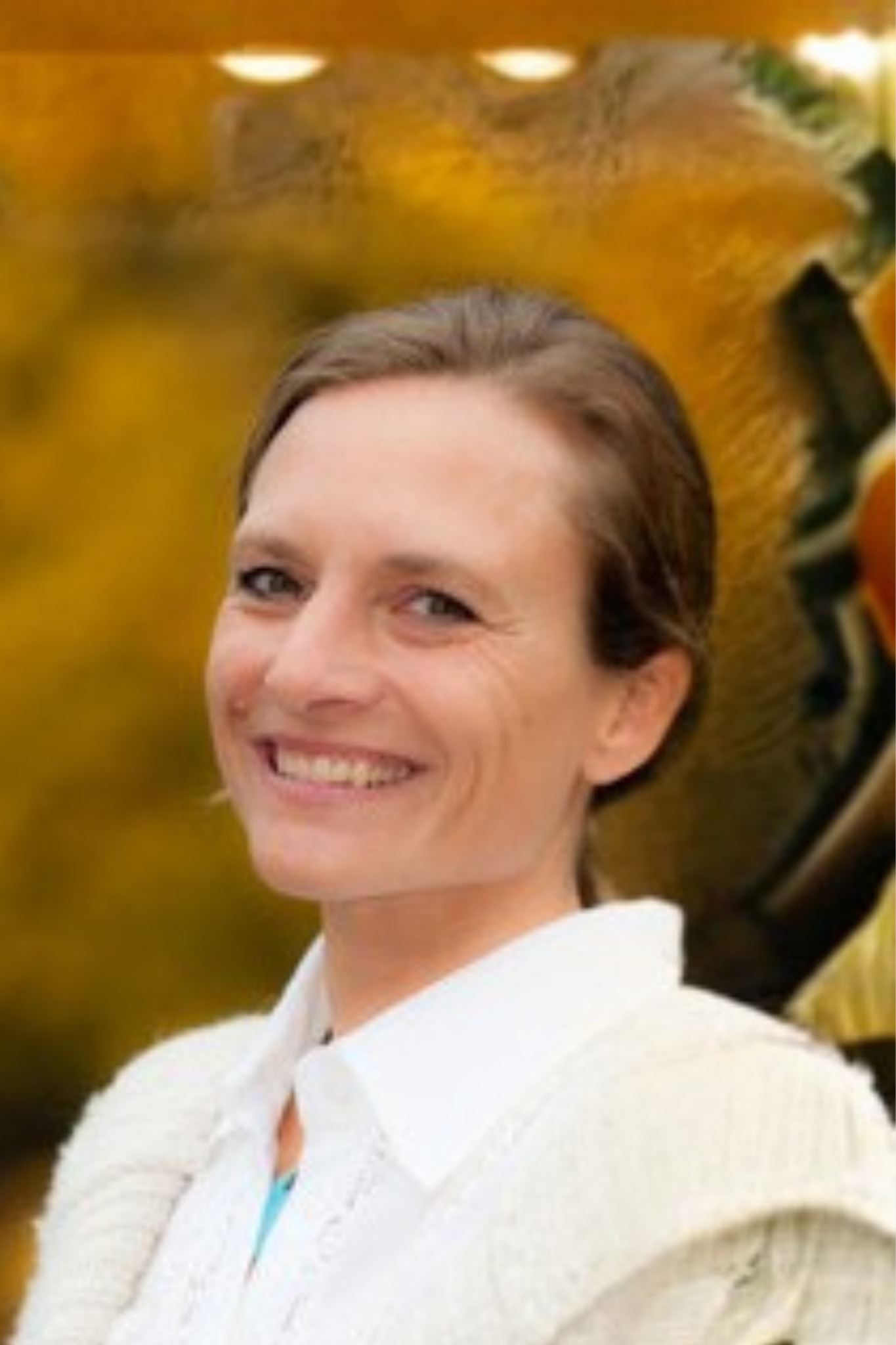
Veronika Kreitmayr
-
This talk explores the application of Neurofeedback in the context of elite sports and peak performance. It highlights key differences between performance-oriented and clinical applications, and discusses the specific challenges encountered when working with elite athletes.
A practical case example will be presented to illustrate how neurofeedback can be integrated into high-performance settings.
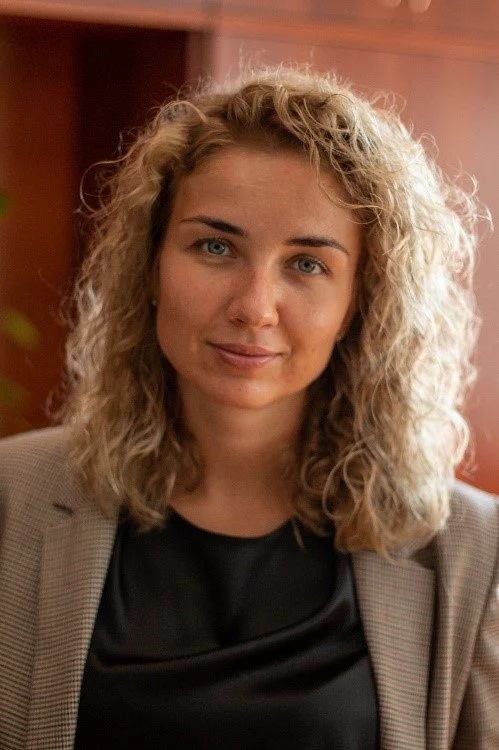
Oleksandra Loshenko Online
-
Approximately 20% of active military personnel in the Ukraine meet criteria for PTSD, while access to trauma-focused psychotherapy remains limited due to clinician shortages and operational instability. Scalable adjunct interventions are urgently needed. The presented study examines the feasibility and added value of Infra-Low Frequency Neurofeedback (ILF-NFB) - alone and combined with Narrative Exposure Therapy (NET) - in an active conflict context through a five-arm randomized controlled trial conducted in Ukrainian military rehabilitation settings, aiming to inform scalable treatment models for military populations.
Preliminary observations indicate overall feasibility of the intervention under wartime conditions. Early clinical impressions suggest improvements in sleep quality among service members with a history of multiple concussions and chronic sleep disturbances after approximately 5–6 neurofeedback sessions. The presentation highlights both the promise and the practical challenges of implementing neurofeedback for active military personnel.

Kasia McCartney
-
Drawing on recent neuroscience research and functional magnetic resonance imaging (fMRI) studies, this talk will demonstrate how targeted Neurofeedback can influence brain network connectivity, support self-regulation, and improve functional outcomes. Kasia will explore how modulating specific neural networks can promote recovery in TBI and enhance symptom management in MND, bridging the gap between theory and clinical application.
A case study will be presented involving a client who sustained a traumatic brain injury in a skiing accident. The case illustrates how a network-focused approach can translate into tangible benefits for patients with complex neurological presentations. This session aims to provide clinicians, researchers, and Neurofeedback practitioners with practical insights into applying a network-based perspective to brain regulation.
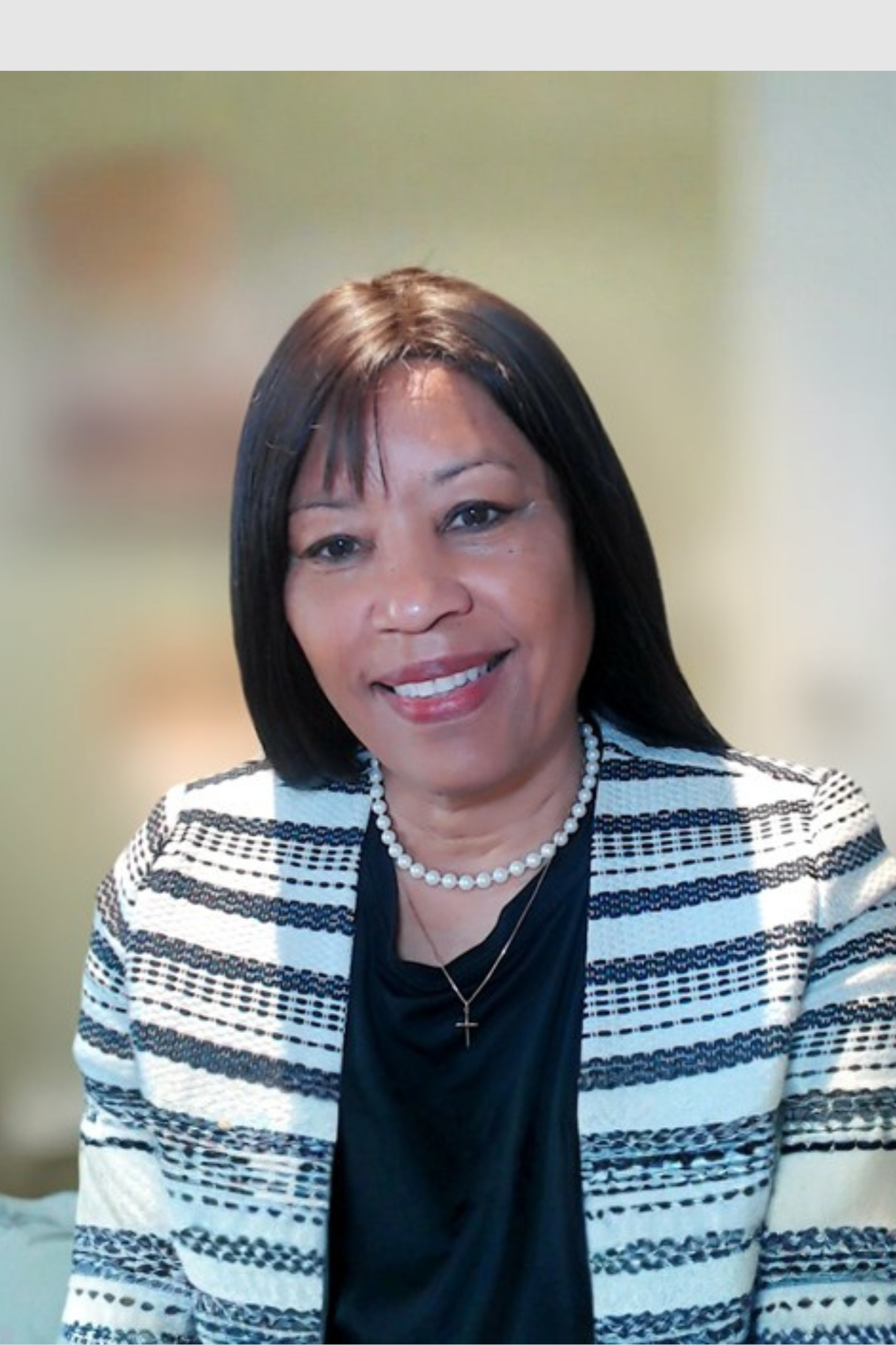
Dr. Debra W. McClendon
-
This presentation introduces a structured, multi-modality clinical model that integrates Infra Low Frequency (ILF) Neurofeedback with Frequency Band Neurofeedback.
This comprehensive model enhances clinical outcomes by layering QEEG/ERP brain mapping, photobiomodulation, tDCS, nutrigenomics, and psychotherapy. The presentation features comparative case studies contrasting symptom-based versus brain-map-driven interventions, showing how tailoring protocols to biomarkers and neuromarkers accelerates recovery across cognitive, emotional, and physical domains. The model emphasizes evidence-based precision, adaptability across populations, and scalability for both private clinics and underserved communities.
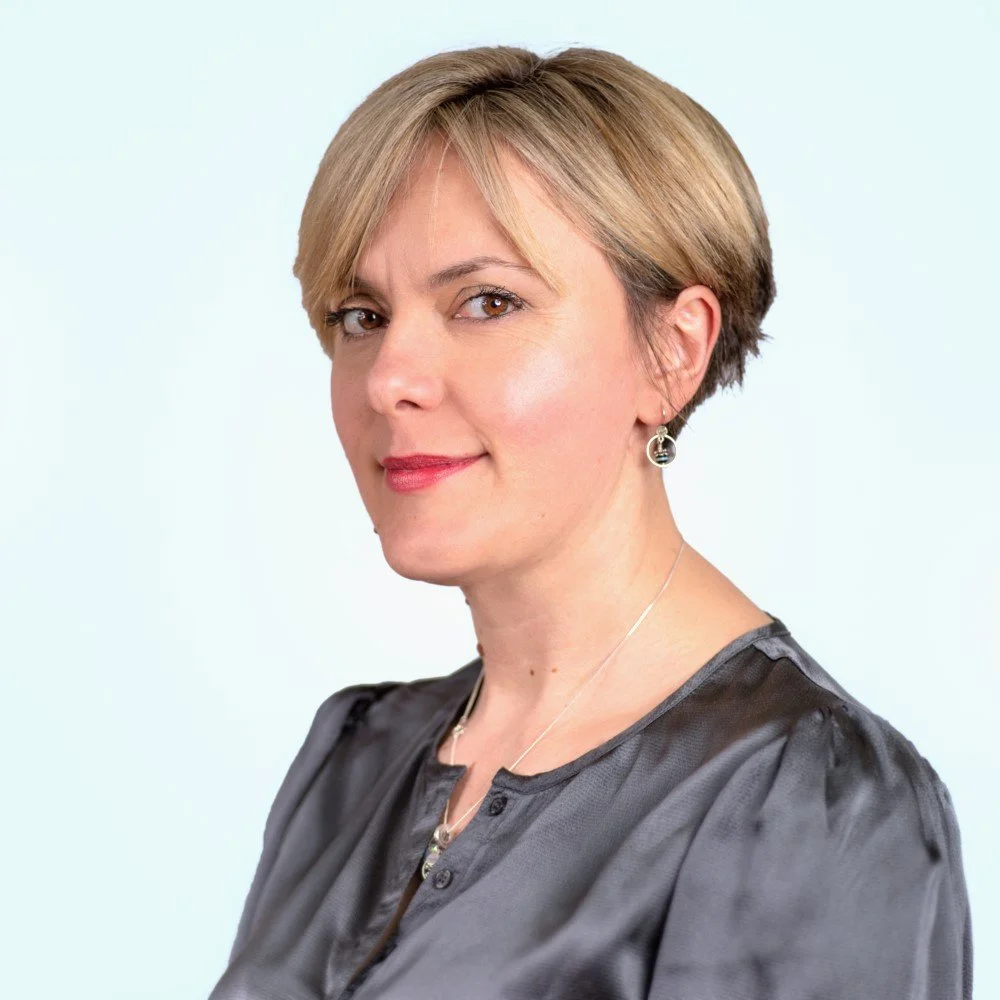
Sejla Murdoch Online
-
Survivors of complex and chronic trauma from refugee backgrounds frequently present with nervous system dysregulation, developmental trauma histories, and co-occurring psychological, somatic, and relational difficulties. This presentation explores the clinical application of Infra-Low Frequency (ILF) Neurofeedback, used alongside frequency-based neurofeedback, within a biopsychosocial model of care for children and adults from refugee and conflict-affected backgrounds.
Drawing on clinical implementation within a specialised trauma service, Sejla outlines how ILF neurofeedback was used to target autonomic regulation, affect stabilisation, sleep, sensory processing, and stress reactivity, while being embedded alongside psychotherapy, family work, and broader psychosocial supports. Particular attention is given to developmental considerations, cultural and trauma-informed adaptations, and clinical sequencing when working with highly vulnerable populations. The presentation will discuss clinical insights, practical considerations, and implications for integrating neuromodulation within multidisciplinary trauma-informed care for traumatised populations.
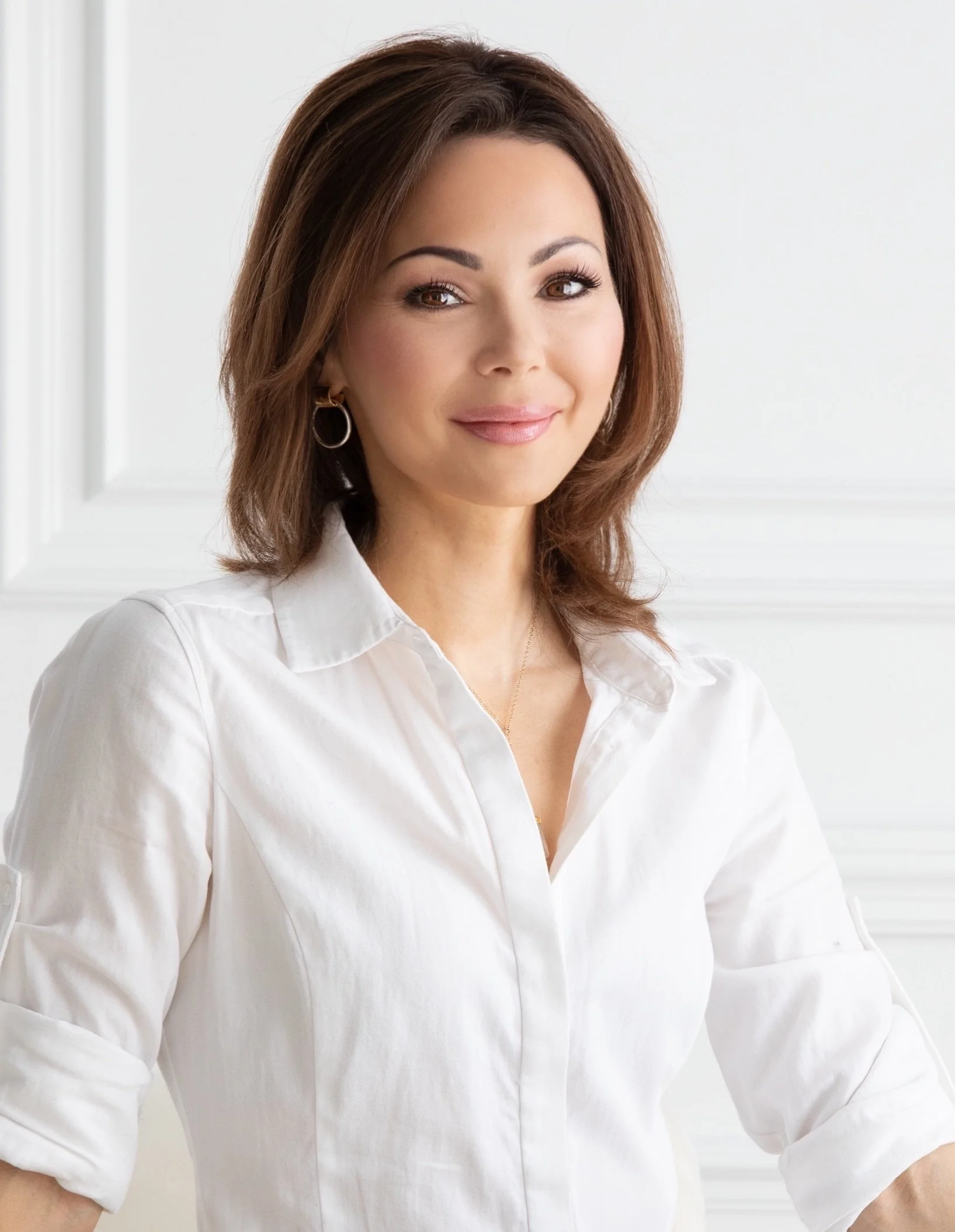
Lucie Ritchie
-
The treatment of complex and developmental trauma (CDT) is at a turning point. Despite widespread exposure to trauma globally, clinical training continues to emphasize standalone cognitive-based approaches for chronic dysregulation, dissociation, and disturbances in self-organization.
This presentation introduces a phenomenological study exploring therapists’ lived experiences integrating ILF-NF as an adjunct to psychotherapy with CDT populations. The study will examine how clinicians navigate the transition from cognitively oriented models toward regulation-focused approaches in response to the neurobiology of trauma.
As the field continues to evolve, understanding how clinicians adapt to these shifts is critical for informing training, improving treatment implementation, and advancing trauma-informed care.
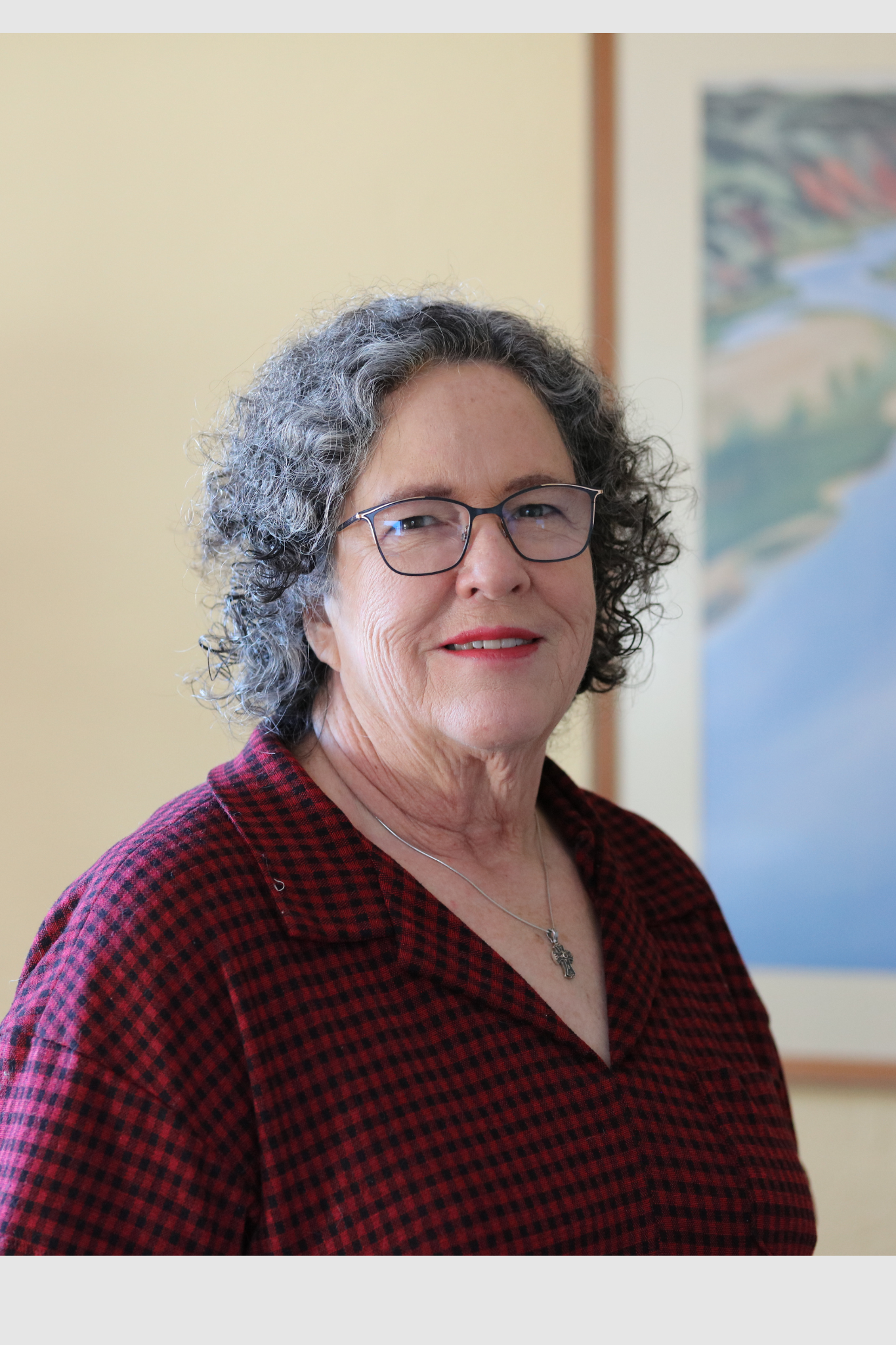
Julia Riutzel
-
This lecture presents a comparative case study that examines the long-term effects of combined neurotherapy and bioregulation modalities in two clients with severe, chronic conditions - one with multiple psychiatric diagnoses and the other with complex medical diagnoses. Interventions included EEG Infra-Low Frequency (ILF) neurofeedback and Pulsed Electromagnetic Field (PEMF) biofeedback, supported by heart rate variability (HRV) breathwork, nutritional guidance, and exercise to help maintain therapeutic gains outside the clinical setting.
After more than 100 hours of treatment per client, both demonstrated substantial functional improvements and were able to function appropriately for their cognitive abilities with minimal residual impairment. The findings suggest that, while standard neurotherapy protocols are often short-term, longer-term, multimodal treatment approaches may offer greater efficacy for complex, treatment-resistant cases. The study provides a framework for identifying appropriate candidates and implementing long-term bioregulated care.
Shemaila Saleem Online
-
Autism Spectrum Disorder (ASD) challenges clinicians with its complex mix of social, sensory, and emotional dysregulation. Even extensive behavioral, speech, occupational, and pharmaceutical therapy hit a plateau for some children, resulting in stalled progress, fragmented sleep, and emotional volatility.
Infra-Low Frequency (ILF) Neurofeedback, established under the Othmer’s paradigm, takes a distinct approach by training the brain's core regulatory mechanisms rather than only symptoms. In this talk, Shemaila presents a series of compelling clinical cases where standard protocols failed, but ILF Neurofeedback triggered foundational changes; sleep stabilized, emotional reactivity calmed, sensory tolerance improved, and developmental gains emerged.
These outcomes suggest that treatment resistance often stems from regulatory instability, not skill deficits. ILF Neurofeedback may be the missing link; a platform that allows other therapies to take hold and changes the clinical trajectory for children with ASD.
Roxana Sasu & Dr. Meike Wiedemann
-
This presentation provides a clinically grounded update on current developments in Infra-Low Frequency (ILF) Neurofeedback, drawing on the collective clinical experience of the international BEE Medic trainer network. The focus is on translating this shared knowledge into practical, session-by-session clinical decision-making, with an emphasis on adaptive, individualized applications rather than prescriptive protocols.
Meike and Roxana will review the most recent and clinically effective findings, including developments in lower frequency ranges, newer and evolving protocols, observed outcomes, and their integration into ongoing protocol development and the clinical model. The presentation highlights how these updates inform day-to-day practice and ongoing refinements to the training curriculum, supporting precise, safe, and differentiated ILF Neurofeedback across diverse clinical presentations.
Dr. Horst Schneider
-
Despite a large amount of clinical and scientific literature on neurofeedback, many questions remain unanswered about how therapeutic neurofeedback works and its clinical effects on mental disorders. This makes current studies on all aspects of neurofeedback all the more important. In this lecture an update on BEE Medic Research Projects on Neurofeedback will be given, including a comprehensive fMRI study that identified the brain processes targeted by ILF Neurofeedback, a Neurofeedback and QEEG study that searched for Neuromarkers on post-traumatic stress disorder (PTSD) and others.
Alan Tyl
-
This presentation describes a stable shift in the organization of consciousness observed after long-term meditation practice. The focus is on how the sense of self, emotional reactivity and the experience of presence can change in a lasting way - not as a temporary state, but as a new baseline of perception and response. The talk combines first-person phenomenological description with a grounded discussion of regulation, embodiment and the role of the autonomic nervous system. As a possible conceptual frame, the reduction of habitual self-referential processing often associated with the default mode network (DMN) is briefly considered, without claiming a specific mechanistic model.
The presentation also outlines how infra-low frequency neurofeedback can support the stabilization and integration of such changes. The aim is to articulate these transformations in clear, non-metaphysical terms, accessible to both practitioners and clinicians.
Dr. Bernhard Wandernoth
-
For many years, the effectiveness of the ILF neurofeedback approach appeared well supported by consistent clinical outcomes, published studies, and feedback from hundreds of clinical settings. Yet one question remains: do the observed effects reflect genuine neurophysiological change, or could they be explained by placebo mechanisms? This question is especially relevant as recent meta-analyses show how difficult it is for neurofeedback interventions to outperform placebo.
In this talk, Bernhard discusses what is required to move from belief to evidence that withstands critical scientific scrutiny. He presents results from an independent fMRI study demonstrating measurable brain changes after a single ILF neurofeedback session and argues that clinical effectiveness depends on the careful design of the entire signal chain. Ultimately, demonstrating effects beyond placebo is framed as both a scientific necessity and an ethical responsibility.

Dr. Jane Xiao & Yao Xue
-
This lecture introduces the vagus nerve as a key pathway in autonomic regulation and discusses how auricular stimulation may engage vagal signaling to influence state regulation, including arousal balance, stress reactivity, recovery, and broader wellbeing outcomes relevant to mental health. Drawing on current research and real-world practice insights, Jane and Yao will share a high-level framework for thinking about vagus-focused neuromodulation - covering concepts such as individual variability, personalization, and iterative adjustment from a closed-loop perspective - without prescribing a fixed protocol.
They will also briefly connect this topic to Infra-Low Frequency Neurofeedback (ILF NF), highlighting areas of conceptual overlap in supporting self-regulation while noting that the approaches operate through different modalities. Finally, the presenters will outline directions for future exploration and collaboration, including questions that could be examined in structured evaluations.
Speaker, agenda & content are subject to change.